
Catholic vs Orthodox Easter 2020 offers a gentle exploration into the nuances of how two major Christian traditions observe their most sacred feast. This comparison delves into the historical, theological, and liturgical distinctions that lead to differing celebration dates, fostering a deeper appreciation for the rich tapestry of Christian practice.
Understanding the core differences in Easter observance reveals the unique theological perspectives and historical paths that have shaped Catholic and Orthodox traditions. The Paschal Mystery, central to both, is celebrated with distinct liturgical emphases and rooted in historical divergences that continue to influence their calendars. In 2020, these differences were particularly apparent, prompting a closer look at the calendar systems and their practical implications.
Understanding the Core Differences in Easter Observance

Easter, the cornerstone of Christian faith, celebrates the resurrection of Jesus Christ. While both Catholic and Orthodox traditions hold this event in supreme reverence, their observances, rooted in distinct theological understandings and historical paths, offer a fascinating study in devotional richness and liturgical expression. The year 2020, like many others, saw these two great branches of Christianity celebrating this most sacred feast on different dates, a divergence that stems from deep-seated differences in their approach to faith and tradition.Theological distinctions and liturgical practices surrounding Easter are not mere superficial variations; they reflect fundamental interpretations of Christ’s salvific act and the Church’s ongoing relationship with the divine.
The differing dates for Catholic vs Orthodox Easter 2020 highlight varied liturgical calendars. Understanding the palm sunday meaning , which commemorates Jesus’ triumphal entry into Jerusalem, provides context for the Holy Week observances preceding both celebrations, ultimately impacting the timing of Catholic vs Orthodox Easter 2020.
Understanding these nuances allows for a deeper appreciation of the universal yet uniquely expressed joy of the Resurrection.
The differing dates for Catholic vs Orthodox Easter in 2020 highlight distinct calendrical traditions. This divergence also impacts the observance of significant days leading up to Easter, such as the solemnity of why is it called good friday , a day commemorating Christ’s crucifixion, before the eventual celebration of Easter Sunday by both branches of Christianity.
Theological Distinctions in Easter Understanding
The Catholic understanding of Easter, or the Paschal Mystery, centers on the unified event of Christ’s passion, death, and resurrection as a single, ongoing reality that redeems humanity and creation. This mystery is seen as the very heart of salvation history, a continuous unfolding of God’s love and mercy. The emphasis is on the objective efficacy of Christ’s sacrifice, which makes present the fruits of redemption for all believers through the sacraments, particularly the Eucharist.The Orthodox understanding of Pascha (Easter) similarly views the resurrection as the ultimate victory over death and sin, but with a particular emphasis on the deification (theosis) of humanity.
The observance of Catholic vs Orthodox Easter in 2020, while differing in date, shares common liturgical roots. Preparations for both often involve periods of penitence, such as the Lenten season, which begins with Ash Wednesday and its associated practices of ash wednesday fasting , underscoring a shared spiritual discipline leading up to the Paschal celebration and thus impacting the overall timing for Catholic vs Orthodox Easter 2020.
The resurrection is not just a historical event that secures salvation, but a transformative power that invites believers into a new life, a participation in the divine nature. The liturgical celebrations aim to convey this experience of “new life” and the overwhelming joy of Christ’s triumph, often described as the “Feast of Feasts.”
The differing dates for Catholic vs Orthodox Easter 2020 underscore varied liturgical calendars, which often begin with commemorations like jesus palm sunday. This significant event precedes the main Paschal celebration, highlighting the distinct traditions that influence when both Catholic and Orthodox Christians observe Easter annually.
“Christ is risen from the dead, trampling down death by death, and upon those in the tombs bestowing life.” (Paschal Troparion, Orthodox Tradition)
In 2020, the observance of Catholic vs Orthodox Easter differed due to calendar discrepancies. While both celebrations commemorate the resurrection of Christ, the sentiment of a joyous happy resurrection day is universal. Understanding these calendrical variations is key to appreciating the distinct dates for Catholic vs Orthodox Easter 2020.
The Significance of the Paschal Mystery, Catholic vs orthodox easter 2020
In Catholicism, the Paschal Mystery is understood as the entire redemptive work of Christ, encompassing His suffering, death, and resurrection, culminating in His ascension and the sending of the Holy Spirit. It is the pivotal event that reconciles humanity with God and establishes the Church. The liturgical year is structured around the commemoration and re-presentation of this mystery, with Easter being its peak.For Orthodox Christians, the Paschal Mystery is profoundly experienced as the event that breaks the power of death and opens the gates of heaven, leading to the deification of humanity.
In 2020, the differing calendars of the Catholic and Orthodox churches led to distinct observances of Easter. Both traditions celebrate the pivotal event of resurrection sunday , signifying Christ’s victory over death. This calendrical divergence, however, meant that the solemnity of resurrection sunday was marked on different dates for Catholic and Orthodox faithful, impacting the precise timing of their respective Easter celebrations.
It is the ultimate revelation of God’s love and the source of spiritual renewal. The liturgical services are designed to immerse the faithful in this victorious reality, enabling them to partake in the divine life through prayer, sacraments, and the communal experience of worship.
In 2020, the divergence in Easter dates between Catholic and Orthodox traditions highlights differing calendrical calculations. This liturgical calendar variation extends to observances like holy wednesday , a significant day in the week leading up to Easter for both denominations. Understanding these differences is key to appreciating the distinct observance of Catholic vs Orthodox Easter 2020.
Historical Roots of the Divergence in Easter Dates
The divergence in the dates of Easter between the Catholic and Orthodox Churches has its origins in the early centuries of Christianity, primarily concerning the method of calculating the date of Passover, which Easter is linked to. The Council of Nicaea in 325 AD decreed that Easter should be celebrated on the first Sunday after the first full moon following the vernal equinox.
In 2020, the differing calculation methods for Easter led to Catholic and Orthodox observances on different dates. This divergence in timing is a recurring theme, and for those tracking religious observances, understanding related dates like good friday 2025 is crucial. Such distinctions highlight the historical and theological reasons behind the varied Easter dates between Catholic and Orthodox traditions.
However, different methods of calculating the vernal equinox and the full moon, particularly the use of different calendars (Gregorian vs. Julian), led to a gradual separation.The Great Schism of 1054 solidified many of the existing differences, including the liturgical calendar. The Catholic Church adopted the Gregorian calendar in 1582, which is more astronomically accurate, while many Orthodox Churches continued to use the Julian calendar.
In 2020, the differing dates for Catholic and Orthodox Easter highlighted calendrical divergences. Understanding these variations is facilitated by consulting resources like the Catholic Calendar 2025 An Essential Guide For The Year , which details liturgical observances. Such guides help clarify why future celebrations, including the 2025 observance, may continue to present distinct dates for Catholic and Orthodox Easter.
This calendar difference is the primary reason for the varying dates of Easter, as the vernal equinox and the subsequent full moon are calculated differently.
The differing dates for Catholic and Orthodox Easter in 2020 stemmed from their respective calendar systems. Understanding the timing of Easter involves recognizing the significance of Good Friday, a solemn observance that precedes the Resurrection, and its calculation is crucial for determining the entire Paschal Triduum, thereby impacting when Catholic vs Orthodox Easter 2020 was observed.
To illustrate, consider the following:
- The Julian calendar, used by some Orthodox churches, is approximately 13 days behind the Gregorian calendar. This means that when the vernal equinox occurs, it is calculated on different dates in each system.
- The calculation of the lunar cycle (full moon) also contributes to the divergence, as the astronomical and ecclesiastical calculations can differ.
- The Council of Nicaea’s decree aimed for uniformity, but the subsequent adoption of different calendars fractured this unity in dating.
Liturgical Emphasis During the Easter Season
The Catholic Easter season, known as the Easter Octave, is a period of intense celebration that extends for eight days, with each day commemorating aspects of the Resurrection. The liturgical emphasis is on the joy of Christ’s victory, the outpouring of the Holy Spirit, and the new life received through baptism and the sacraments. The season continues for fifty days, culminating in Pentecost.The Orthodox Pascha season is characterized by an even more profound and extended celebration.
The differing dates for Catholic vs Orthodox Easter in 2020 highlight distinct liturgical calendars. Central to the Easter narrative is Holy Thursday, a day that commemorates the Last Supper and the institution of the Eucharist, exploring the profound holy thursday meaning. Understanding these traditions clarifies the variations observed in Catholic vs Orthodox Easter celebrations.
The Paschal Vigil, beginning on Holy Saturday night, is the climax, filled with hymns of victory and rejoicing. The celebration continues for forty days, mirroring Christ’s post-resurrection appearances, and concludes with the Feast of the Ascension. The liturgical emphasis is on the transformation and deification of the believer, the shattering of death’s dominion, and the radiant joy of the Risen Christ.
The divergence in Catholic vs Orthodox Easter 2020 dates highlights differing calendrical traditions, yet both celebrations ultimately revolve around the profound easter sunday meaning , commemorating Christ’s resurrection. Understanding this core significance provides context for the variations observed in when Catholic vs Orthodox Easter 2020 was observed.
The services are rich with symbolism, iconographic representations of the Resurrection, and the constant proclamation of “Christos Anesti!” (Christ is Risen!).
In 2020, the differing calculation methods led to distinct dates for Catholic vs Orthodox Easter. Regardless of the specific observance, the core message remains a joyous celebration of Christ’s victory, often expressed with greetings like happy resurrection sunday , underscoring the shared theological significance despite the calendar divergence in Catholic vs Orthodox Easter 2020.
Key elements of the liturgical emphasis include:
- Catholic: Focus on the sacraments, especially the Eucharist and Baptism, as means of participating in the Paschal Mystery. The Octave is a concentrated period of joy, followed by the Easter season proper leading to Pentecost.
- Orthodox: Emphasis on the “Feast of Feasts” with its overwhelming joy and the experience of deification. The Paschal Vigil is the spiritual apex, followed by extended celebrations and the profound theological message of Christ’s victory over death.
The 2020 Easter Calendar Discrepancy
In the year 2020, the vibrant tapestry of Christian observance presented a distinct visual of unity and divergence, particularly in the celebration of Easter. While the core message of Christ’s resurrection remained a universal beacon, the timing of its commemoration revealed a fascinating interplay of tradition and calendrical systems. This divergence, while sometimes a point of curiosity, underscores the rich historical and theological currents that shape Christian practice across the globe.The difference in Easter dates between the Catholic and Orthodox Churches is not a matter of theological disagreement regarding the resurrection itself, but rather a consequence of how different branches of Christianity calculate the date.
In 2020, the differing calculations for Catholic vs Orthodox Easter meant distinct observance periods. During Lent, a period of fasting and reflection, inquiries often arise regarding dietary restrictions, such as can you eat meat on good friday. Understanding these customs is key to appreciating the nuances between Catholic vs Orthodox Easter 2020 observances.
This calculation is deeply rooted in ancient traditions and the evolution of the calendar.
In 2020, the divergence in the calculation of Easter between Catholic and Orthodox churches highlighted differing liturgical calendars, a contrast also evident in the observance of significant preceding events such as palm sunday. This preparatory period, marked by solemn reflection, ultimately leads to the distinct Easter dates for Catholic vs Orthodox Easter 2020, underscoring the ongoing theological and calendrical distinctions.
Calendrical Systems and Easter Calculation
The primary driver behind the differing Easter dates lies in the adoption of different calendar systems. The Catholic Church, along with most of the Western world, adheres to the Gregorian calendar, introduced by Pope Gregory XIII in 1582. This calendar refined the Julian calendar, which had been in use since Roman times, by correcting its accumulated error in tracking the solar year.
In 2020, Catholic and Orthodox Easter dates diverged, highlighting differing calendar calculations. This divergence underscores the profound religious observances, including the significance of Palm Sunday , which commemorates Jesus’ triumphal entry into Jerusalem. Understanding these liturgical variations provides insight into the distinct traditions that shape Catholic vs Orthodox Easter 2020 observances.
The Julian calendar, due to its slight inaccuracy, had drifted over centuries, causing the vernal equinox (the astronomical marker for the beginning of spring, crucial for Easter’s calculation) to occur earlier than its historical date.Conversely, many Orthodox Churches continue to follow the Julian calendar for liturgical purposes, including the calculation of Easter. This means that while both traditions aim to celebrate Easter after the vernal equinox and after the Jewish Passover, their respective calculations based on these different calendars lead to different dates.
In 2020, Catholic and Orthodox Easter celebrations diverged due to differing calendar calculations, a contrast also seen in how various traditions observe resurrection day. While the core theological significance remains, the timing of Catholic vs Orthodox Easter 2020 highlights these calendrical distinctions in commemorating Christ’s victory over death.
The Council of Nicaea in 325 AD established that Easter should be celebrated on the first Sunday after the first full moon on or after the vernal equinox. However, the discrepancy in the calendar systems means that what constitutes the “vernal equinox” and the “first full moon” can differ between the Gregorian and Julian calculations.
In 2020, the differing liturgical calendars meant Catholic vs Orthodox Easter occurred on separate dates. Both traditions observe solemn observances leading up to Easter, with the good friday service being a central event. This divergence in observing Good Friday further illustrates the distinct theological timings impacting when Catholic vs Orthodox Easter is celebrated.
Practical Implications for Communities in 2020
For communities where both Catholic and Orthodox Christians coexist, the 2020 Easter calendar discrepancy presented a unique set of circumstances. While the spiritual significance of Easter is paramount, the practicalities of shared spaces, interfaith families, and communal celebrations could be affected. In some instances, families might find themselves celebrating the resurrection on two different Sundays, leading to extended periods of feasting and reflection.
The divergence in Easter dates between Catholic and Orthodox traditions in 2020 stemmed from differing calendrical systems. Understanding the catholic calendar , which adheres to the Gregorian calendar, is crucial for comprehending this liturgical distinction and its impact on observing events like Catholic versus Orthodox Easter in 2020.
For those involved in ecumenical dialogue or interdenominational ministries, the differing dates served as a tangible reminder of the historical paths taken by different Christian traditions. It often fostered a deeper understanding and respect for the distinct liturgical calendars, encouraging dialogue about shared heritage and future unity.
The divergence in Easter observances, exemplified by Catholic vs Orthodox Easter 2020, stems from differing calendar systems. This calendar variation also impacts future dates, such as the easter 2026 date , which will also reflect this calendrical disparity. Understanding these differences is crucial for comprehending the distinct timings of Catholic vs Orthodox Easter 2020.
Comparative Table of Easter Dates in 2020
The year 2020 clearly illustrated the impact of the Julian and Gregorian calendars on the observance of Easter. Understanding these dates provides a concrete example of the calendrical divergence.
In 2020, the Catholic and Orthodox Churches observed Easter on different dates, a divergence stemming from calendar differences. This annual variation highlights the distinct liturgical calendars employed by each tradition, impacting all related observances. For instance, the preceding Palm Sunday, crucial for both denominations, also experiences date shifts, with palm sunday 2025 marking a future point of divergence.
Ultimately, these calendar disparities continue to influence when Catholic vs Orthodox Easter is celebrated.
| Tradition | 2020 Easter Date |
|---|---|
| Catholic Easter | April 12, 2020 |
| Orthodox Easter | April 19, 2020 |
Liturgical Practices and Traditions in 2020: Catholic Vs Orthodox Easter 2020
In the year 2020, the observance of Easter, a cornerstone of Christian faith, presented a fascinating study in liturgical divergence between the Catholic and Orthodox traditions. While both celebrated the resurrection of Christ, the path to that joyous commemoration was marked by distinct rites, timings, and deeply ingrained customs. Understanding these differences illuminates not only theological nuances but also the rich tapestry of Christian heritage.The Holy Week leading up to Easter is a period of profound reflection and solemnity.
In 2020, the differing calculations for Catholic vs Orthodox Easter highlighted the liturgical calendar’s complexity. This variation in determining Easter’s date, while significant for observant Christians, also underscores the importance of understanding other religiously significant dates, such as the holy days of obligation 2025 , which guide faithful observance throughout the year, a concept relevant to both traditions when considering Catholic vs Orthodox Easter 2020.
For Catholics, this journey is meticulously structured, culminating in the most sacred events of the liturgical year. Orthodox Christians, following their own calendar, engage in a parallel yet distinct period of spiritual preparation, marked by unique ascensions into the Paschal Mystery.
In 2020, the observance of Catholic versus Orthodox Easter highlighted distinct liturgical calendars. The solemnity of Good Friday, often marked by readings of good friday scripture , precedes the Easter celebration for both traditions. Understanding these scriptural foundations offers insight into the theological nuances that contribute to the differing dates of Catholic vs Orthodox Easter 2020.
Catholic Holy Week Observances in 2020
The Catholic Church’s Holy Week in 2020 was a period of intense spiritual focus, beginning with Palm Sunday and progressing through the most sacred Triduum. Palm Sunday commemorates Jesus’ triumphant entry into Jerusalem, with faithful receiving blessed palms, often woven into symbolic shapes. This day, while joyous, carries the foreshadowing of the Passion. Maundy Thursday marked the Last Supper, where the institution of the Eucharist and the washing of feet by Christ are reenacted, symbolizing service and humility.
The divergence in the observance of Catholic vs Orthodox Easter 2020 stems from differing calendar systems, a distinction also evident in the commemoration of significant liturgical events like holy thursday. This observance, marking the Last Supper, falls on different dates for each tradition, underscoring the calendar disparity that defines the Catholic vs Orthodox Easter 2020 timing.
This day is often observed with a solemn Mass. Good Friday is the day of Christ’s crucifixion, observed with a liturgy of the Word, veneration of the Cross, and Holy Communion, but without a Mass. It is a day of deep mourning and reflection on Christ’s sacrifice. Holy Saturday is a day of quiet anticipation, with no liturgical services until the evening’s Paschal Vigil.
The divergence in dates for Catholic vs Orthodox Easter 2020 highlights differing calendar calculations, impacting the observance of related holidays such as what is easter monday , which follows Easter Sunday. Understanding these calendrical variations is key to appreciating the nuances of religious observances, including the distinct timing of Catholic vs Orthodox Easter 2020.
Orthodox Paschal Vigil Service in 2020
The Orthodox Paschal Vigil, known as the Great and Holy Paschal Vigil, is a singular and transformative service. It typically begins after sunset on Holy Saturday, marking the transition from the sorrow of the Passion to the exultation of the Resurrection. The service commences in darkness, with the faithful holding unlit candles. The priest lights a new fire, symbolizing Christ’s light overcoming darkness, and from this fire, the Paschal candle is lit.
The differing observance dates for Catholic vs Orthodox Easter 2020 highlight distinct liturgical calendars. Understanding these calendars also informs practices such as fasting, as questions arise regarding dietary restrictions, for instance, can you eat meat on ash wednesday , a period preceding Lent, which itself precedes Easter celebrations, further differentiating the observance of Catholic vs Orthodox Easter 2020.
A solemn procession then moves into the church, proclaiming, “Christ is Risen!” (Christos Anesti!). Inside, the church is illuminated, and the service continues with readings from Scripture, hymns of resurrection, and the chanting of the Paschal Troparion, a powerful hymn celebrating Christ’s victory over death. The atmosphere is one of profound joy and triumphant celebration.
The differing dates for Catholic and Orthodox Easter in 2020 highlight a historical divergence. This variation in calculation means that future Easter observances, such as easter 2026 , will also fall on different days for each tradition, continuing the pattern seen in 2020.
Common Catholic Easter Sunday Customs and Celebrations in 2020
Easter Sunday in Catholic households in 2020 was a day of immense joy and familial gathering, often beginning with attendance at an early morning Mass, celebrated with great festivity and the singing of “Alleluia.” The traditional Easter meal is a significant part of the celebration, often featuring lamb as a symbolic dish, representing Christ the Lamb of God. Families would engage in decorating Easter eggs, a symbol of new life and the empty tomb, and children eagerly participated in Easter egg hunts, a tradition that brings immense delight.
In 2020, the divergence in the observance of Easter between Catholic and Orthodox traditions was notable. Understanding future dates, such as easter sunday 2025 , helps contextualize these calendrical differences. The variations in calculating Easter continue to impact the respective celebrations for Catholic vs Orthodox Easter.
The exchange of Easter greetings, “He is Risen!” (Alleluia!), would echo throughout the day.
In 2020, the divergence in Easter observances between Catholic and Orthodox traditions was notable. Understanding such variations is aided by consulting resources like the easter 2025 calendar , which details future dates. This temporal awareness is crucial for appreciating the differing liturgical schedules that lead to distinct dates for Catholic vs Orthodox Easter in any given year, including 2020.
Unique Elements of Orthodox Easter Morning Services and Traditions in 2020
Orthodox Easter morning in 2020 was characterized by the Matins and Divine Liturgy, services brimming with radiant joy and exultation. Following the Paschal Vigil, many Orthodox faithful would attend an early morning service or the main Divine Liturgy. The greeting “Christ is Risen!” (Christos Anesti!) and the response “He is Risen Indeed!” (Alithos Anesti!) are exchanged enthusiastically throughout the day.
The differing dates for Catholic vs Orthodox Easter in 2020, driven by calendar distinctions, often lead observers to inquire about the temporal proximity to the holiday. For those anticipating the observance, calculating how many more days till easter provides a direct answer. This temporal awareness is particularly relevant when comparing the observance periods for Catholic vs Orthodox Easter 2020.
A unique tradition is the breaking of the Lenten fast with a celebratory meal, often featuring roast lamb, red-dyed eggs (symbolizing the blood of Christ), and various other festive dishes. The dyeing of eggs in vibrant red is a particularly distinctive and meaningful practice in Orthodox tradition, signifying new life and the triumph of Christ’s resurrection.
The divergence in Easter observances, such as the difference between Catholic vs Orthodox Easter 2020, highlights varying calendar systems. Understanding the calculation for future celebrations, like the specific easter 2025 date , is crucial for comparative religious studies. This calendrical distinction directly impacts when the Catholic vs Orthodox Easter 2020 was observed.
Key Differences in Liturgical Services Between Catholic and Orthodox Easter in 2020
The liturgical observances of Catholic and Orthodox Easter in 2020, while both centered on the Resurrection, presented distinct characteristics in their services. These differences reflect theological emphases and centuries of distinct tradition.
The differing dates for Catholic vs Orthodox Easter in 2020, while significant, prompt broader questions about the holiday’s origins. Understanding is easter a pagan holiday offers context to the diverse observances, yet the core Christian celebration remains central to both Catholic and Orthodox traditions, irrespective of the calendar used for their 2020 Easter.
- Catholic: Emphasis on the Paschal Triduum as a unified celebration of Christ’s Passion, Death, and Resurrection; a structured liturgy of the Cross on Good Friday; Easter Vigil often includes baptisms and confirmations; formal recitation of the Nicene Creed.
- Orthodox: The Paschal Vigil as a climactic service of transition from darkness to light; a more direct proclamation of “Christ is Risen!” from the outset of the Vigil; Paschal Troparion as a central hymn of the Resurrection; often includes the anointing with oil and blessings with incense as integral parts of the services.
Symbolism and Meaning of Easter
Easter, the holiest of Christian celebrations, is a tapestry woven with profound symbolism, each element carrying layers of theological significance and historical resonance. For both Catholic and Orthodox traditions, the observance of Christ’s resurrection transcends mere ritual, offering a rich visual and spiritual language that speaks of redemption, new life, and the enduring power of faith. Understanding these symbols unlocks a deeper appreciation for the multifaceted ways in which believers commemorate this pivotal event.The very essence of Easter is encapsulated in its symbols, which serve as tangible reminders of the Paschal Mystery – Christ’s suffering, death, and resurrection.
These symbols are not arbitrary; they are deeply rooted in scripture, tradition, and the lived experience of the Church, connecting believers across generations to the salvific work of Jesus Christ.
The Paschal Candle in Catholic Tradition
The Paschal candle stands as a majestic beacon of hope and a powerful symbol of the Risen Christ in Catholic Easter celebrations. This large, white candle, often adorned with a cross, the Greek letters Alpha and Omega, and the current year, is lit for the first time during the Easter Vigil, the most significant liturgy of the year. Its flame represents the light of Christ, who has conquered the darkness of sin and death.
The differing calculation methods between Catholic and Orthodox Churches led to distinct Easter observances in 2020. Understanding these calendar divergences is crucial for anticipating future dates, such as what day is easter 2025 , which will again highlight the historical schism in observing this significant religious holiday, contrasting with the unified 2020 observance.
The five grains of incense, often embedded in the wax in the shape of a cross, symbolize the five wounds of Christ, reminding worshippers of His sacrifice. The candle remains lit throughout the Easter season, typically until Pentecost, serving as a constant reminder of Christ’s victory and His abiding presence among His followers.
The divergence in the observance of Catholic vs Orthodox Easter in 2020, occurring on different dates, highlights varying liturgical calendars. This temporal distinction underscores the importance of understanding the foundational events, such as What Day Is Good Friday And Its Profound Significance , which precedes Easter Sunday for both traditions. Consequently, the differing Easter dates for Catholic vs Orthodox Christians in 2020 are rooted in these historical and calendrical differences.
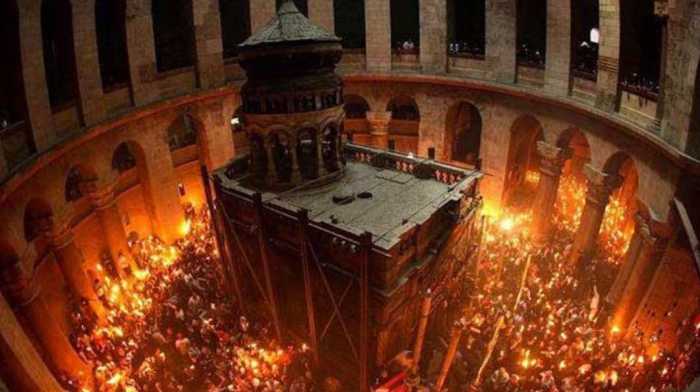
The Holy Fire Ceremony in Orthodox Easter Celebrations
In the Orthodox tradition, the “Holy Fire” ceremony, also known as the Holy Fire of Jerusalem, is an event of profound spiritual significance and widespread anticipation. This miraculous phenomenon, which traditionally occurs on Holy Saturday at the Church of the Holy Sepulchre in Jerusalem, is believed to be a divine manifestation of God’s presence and a testament to the resurrection of Christ.
According to tradition, the Patriarch of Jerusalem enters the Edicule of the Holy Sepulchre, and shortly thereafter, a flame spontaneously ignites, from which he lights a bundle of candles. This sacred fire is then distributed to the faithful, who carry it back to their churches and homes, signifying the light of Christ’s resurrection dispelling the darkness. The belief in its miraculous origin imbues the ceremony with immense spiritual weight, uniting Orthodox Christians worldwide in shared faith and wonder.
Significance of Easter Foods and Their Preparation in Catholic Families
The culinary landscape of Catholic Easter is rich with traditions, where specific foods are prepared and shared, each carrying symbolic weight. Often, after the Lenten fast, Easter Sunday meals are a joyous and abundant celebration. The preparation itself can be a communal activity, fostering family bonds. For instance, lamb is a prominent dish, directly referencing the Paschal Lamb sacrificed by the Israelites and, by extension, Jesus Christ, the Lamb of God.
The differing dates for Catholic vs Orthodox Easter in 2020 stem from the use of different calendars; understanding what day is easter this year is crucial for observing these significant religious holidays. This calendar discrepancy explains why the observance of Easter for Catholic and Orthodox Christians frequently falls on separate dates, as was evident in 2020.
Easter bread, often sweet and enriched, can symbolize the resurrection and the new life Christ offers. The act of preparing these meals is not merely about sustenance but about participating in a ritual that connects the family to the spiritual significance of the feast.
In 2020, the divergence in liturgical calendars meant Catholic vs Orthodox Easter dates differed. For those anticipating the observance, calculating how many more days until easter is a common query. This temporal difference underscores the distinct calculations impacting when Catholic vs Orthodox Easter 2020 was celebrated.
The Symbolic Importance of the Red Egg in Orthodox Easter Traditions
The red egg holds a place of paramount importance in Orthodox Easter traditions, embodying the very essence of the resurrection. The vibrant red hue symbolizes the blood of Christ shed on the cross, while the egg itself represents new life and the tomb from which Christ emerged victorious. The cracking of the red egg, a common practice, signifies the breaking of the tomb and the resurrection of Jesus.
It is customary for believers to greet each other with “Christos Voskrese!” (Christ is Risen!) and to reply, “Voistinu Voskrese!” (He is Risen Indeed!), often accompanied by the exchange of red eggs. This simple yet powerful symbol serves as a tangible representation of the joy and triumph of Easter.
Visual Elements of a Catholic Easter Sunday Procession
The visual spectacle of a Catholic Easter Sunday procession is a moving testament to the jubilant proclamation of Christ’s resurrection. Imagine a sun-drenched plaza or a quiet village street coming alive with vibrant color and reverent movement. At the forefront, a richly adorned processional cross, often gilded and topped with lilies, leads the way, its gleaming surface catching the light.
Behind it, a statue of the Risen Christ, depicted with open arms and a triumphant gaze, is carried aloft on a platform, sometimes adorned with fresh flowers and banners proclaiming “Alleluia!” Clergy in their most ornate vestments, their robes shimmering with gold and white, walk solemnly, some holding lit candles or censars that release fragrant plumes of incense. The congregation follows, a sea of faces upturned, their voices rising in hymns of praise and alleluias.
Children, their faces alight with excitement, might carry smaller banners or flowers, their youthful energy adding to the festive atmosphere. The entire procession is a living tableau, a visual sermon celebrating the ultimate victory of life over death, a powerful and public declaration of faith.
The Impact of Global Events on 2020 Observances
The year 2020 presented a unique and unprecedented challenge to religious observances worldwide, including the profound celebrations of Easter for both Catholic and Orthodox Christians. The pervasive shadow of the global pandemic fundamentally reshaped how these sacred days were experienced, forcing adaptations that tested the very essence of community worship.The extraordinary circumstances of 2020, dominated by the COVID-19 pandemic, significantly altered the landscape of public Easter celebrations for Catholics and Orthodox Christians.
Restrictions on public gatherings, social distancing mandates, and widespread lockdowns meant that traditional, communal expressions of faith had to be re-imagined. This global event acted as a powerful catalyst for change, pushing religious institutions to explore new avenues for spiritual connection and communal participation, even when physical presence was impossible.
Adaptations in Religious Services
The necessity to comply with public health directives led to widespread modifications in how religious services were conducted in 2020. The familiar scenes of crowded churches and bustling processions were replaced by a more intimate, often virtual, experience.The following examples illustrate the adaptive measures taken:
- Virtual Services: Many parishes and dioceses transitioned to live-streaming their Easter liturgies, allowing the faithful to participate from their homes. This included Mass for Catholics and the Divine Liturgy for Orthodox Christians, often featuring reduced choirs or solo cantors to minimize physical contact.
- Limited Attendance: In areas where some public gatherings were permitted, services were often held with a significantly reduced number of attendees, typically consisting of clergy and a small, designated group of lay participants. Strict adherence to social distancing and mask-wearing was universally enforced.
- Outdoor Services: In some instances, where weather and local regulations allowed, outdoor services were organized to facilitate greater physical distance among participants.
- Individual Sacraments: The administration of sacraments, such as confession and communion, was also adapted, with clergy often taking extra precautions or offering these rites on an individual basis outside of traditional service times.
Resilience of Faith Communities
Despite the profound disruptions, the resilience of Catholic and Orthodox faith communities in observing Easter during these challenging times in 2020 was a testament to their enduring spirit. The inability to gather physically did not extinguish the flame of faith; rather, it seemed to forge new pathways for its expression.The spirit of communal worship, though altered, persisted. This resilience manifested in several ways:
- Increased Digital Engagement: Families and individuals found new ways to connect spiritually, often gathering online for prayer groups, Bible studies, and shared reflections on the Easter message.
- Acts of Charity and Solidarity: The focus on renewal and hope inherent in Easter also inspired acts of charity and solidarity within communities, with many seeking to support those most affected by the pandemic.
- Personal Devotion: The emphasis shifted towards more personal and domestic forms of worship, with families creating home altars or engaging in private prayer and scripture reading to mark the solemnity of the occasion.
Common Threads of Hope and Renewal
In the face of differing liturgical calendars and the shared adversity of 2020, a powerful set of common threads united both Catholic and Orthodox observances: hope and renewal. The core message of Easter, the triumph of life over death and the promise of resurrection, resonated deeply amidst the global uncertainty and the palpable fear of mortality.The overarching themes that bound these distinct observances in 2020 included:
- The Triumph of Resurrection: For both traditions, the central tenet of Easter is the resurrection of Jesus Christ, a message of ultimate victory over death and suffering. This message offered profound comfort and a beacon of hope during a time when the world grappled with loss and uncertainty.
- Spiritual Rebirth: Easter signifies a time of spiritual rebirth and the potential for new beginnings. In 2020, this theme took on a heightened significance, as individuals and communities looked for signs of renewal and a return to normalcy.
- Endurance of Faith: The very act of observing Easter, even in modified forms, demonstrated the enduring nature of faith and the deep-seated human need for spiritual connection and meaning, especially during times of crisis.
- Universal Longing for Peace: The global crisis fostered a universal longing for peace and healing. The Easter message, with its emphasis on divine love and reconciliation, spoke directly to this collective desire.
“The empty tomb, a symbol of victory, offered solace and a promise of brighter days, irrespective of the calendar’s decree.”
Final Thoughts

In essence, while the specific dates for Catholic and Orthodox Easter in 2020 presented a visible divergence, the underlying message of renewal and resurrection resonated deeply within both communities. The shared commitment to faith, despite differing observances, highlighted the resilience of spiritual traditions and their capacity to adapt, offering comfort and hope even amidst global challenges. This exploration underscores the common threads of faith that unite believers across traditions, celebrating the enduring spirit of Easter.
FAQ Overview
Why do Catholic and Orthodox Easters fall on different dates?
The primary reason for the differing dates is the use of different calendars. The Catholic Church uses the Gregorian calendar, while many Orthodox Churches still adhere to the Julian calendar for calculating Easter. Additionally, the calculation of Easter itself has subtle differences, requiring the Paschal Full Moon to occur after the vernal equinox, with specific rules for each tradition.
What is the significance of the Paschal Mystery?
The Paschal Mystery refers to the central events of salvation history: Christ’s passion, death, and resurrection. For both Catholics and Orthodox Christians, Easter celebrates this mystery, signifying Christ’s victory over sin and death and offering humanity the promise of eternal life. The specific theological interpretations and liturgical expressions, however, carry unique emphases within each tradition.
How did global events in 2020 affect Easter celebrations?
The global circumstances of 2020, particularly the COVID-19 pandemic, significantly impacted public celebrations for both Catholic and Orthodox Christians. Many services were modified or held virtually, with limited or no congregational attendance. This led to a greater reliance on online streaming and personal devotion, highlighting the adaptability and resilience of faith communities in maintaining their Easter observances.
What is the “Holy Fire” ceremony in Orthodox Easter celebrations?
The Holy Fire ceremony is a deeply significant ritual performed on Holy Saturday in Orthodox churches, particularly in Jerusalem. It is believed to be a miraculous manifestation of divine light, symbolizing the resurrection of Christ. Clergy enter the tomb of Christ and emerge with flames, which are then distributed to the faithful.
The observance of Easter dates for Catholic and Orthodox traditions, such as in 2020, often leads to discussions about the timing of related observances, including what day is good friday. This pivotal day, preceding Easter Sunday, highlights the differing liturgical calendars that contribute to the divergence in when Catholic vs Orthodox Easter is celebrated.
The disparity in Easter observance between Catholic and Orthodox traditions, notably evident in 2020, stems from differing calendar systems. Understanding the progression of these dates, one can consult the catholic calendar 2025 to anticipate future observances. This calendar information aids in clarifying why Catholic vs Orthodox Easter 2020, and other years, exhibit temporal divergence.
In 2020, the differing calculation methods for Pascha led to distinct observances of Catholic vs Orthodox Easter. Understanding these date variations is crucial, as future years like easter sunday 2027 will also present separate dates for Western and Eastern Christianity, impacting when Catholic vs Orthodox Easter is celebrated.
The differing dates for Catholic vs Orthodox Easter 2020 highlight distinct calendrical traditions. Understanding the theological significance of Easter often involves reflecting on foundational scriptures, such as the easter sunday bible verse which speaks to the resurrection’s core message. These biblical narratives underpin the observance for both Catholic and Orthodox Christians, regardless of their specific Easter celebration year.
The divergence in Easter observance between Catholic vs Orthodox Easter 2020 highlights distinct liturgical calendars; understanding these differences also prompts inquiry into specific holy days, such as is Good Friday a holy day of obligation , a question pertinent to Catholic practice, ultimately reinforcing the varied traditions observed when comparing Catholic vs Orthodox Easter 2020.
The divergence in the observance of Catholic vs Orthodox Easter in 2020, stemming from the Julian and Gregorian calendars, highlights the complexities of determining future dates. Understanding the january 2026 calendar , for instance, aids in predicting when such calendrical discrepancies might next influence the calculation of both Catholic and Orthodox Easter observances.
The differing observance dates for Catholic vs Orthodox Easter in 2020 highlight distinct liturgical calendars. This divergence also impacts the observance of preceding holy days, such as holy monday , which marks a significant period leading up to the main celebrations for both traditions, ultimately influencing the overall Easter timeline for Catholic vs Orthodox Easter in 2020.
The divergence in Easter observance between Catholic and Orthodox traditions in 2020 stemmed from differing calendrical systems. The Orthodox Church adheres to the Julian calendar for determining feast days, a system detailed on the orthodox calendar , which often results in a later Easter celebration compared to the Gregorian calendar used by Catholics, thus explaining the differing dates for Catholic vs Orthodox Easter 2020.
In 2020, the differing dates for Catholic and Orthodox Easter highlighted the complexities of determining religious observance calendars, prompting inquiries into whose feast day is today, as found on whose feast day is today. This divergence underscores the unique calendrical systems that differentiate the observance of significant Christian holidays, including the timing of Catholic vs Orthodox Easter 2020.
The divergence in Catholic vs Orthodox Easter 2020 dates stems from differing calendrical systems. Understanding why does Easter change dates is crucial, as the Orthodox Church adheres to the Julian calendar, while the Catholic Church uses the Gregorian. This fundamental difference in timekeeping directly influences when Easter is observed annually.
In 2020, Catholic and Orthodox Easter dates diverged significantly. For future reference and planning, individuals may find a 2026 calendar printable useful for tracking these shifting observances. Understanding these calendrical differences is crucial for accurately determining when Catholic vs Orthodox Easter 2020, and subsequent years, will occur.
The divergence in the observance of Catholic vs Orthodox Easter in 2020, with celebrations falling on different dates, prompts practical considerations for consumers, such as investigating are stores open on easter sunday. Understanding these varied holiday schedules is crucial for planning, especially as it relates to the distinct liturgical calendars governing Catholic vs Orthodox Easter 2020.
The divergence in Easter dates between Catholic and Orthodox traditions, as seen in 2020, often stems from differing calendrical systems. The roman catholic calendar , for instance, adheres to the Gregorian calendar, influencing its calculation of Pascha. This fundamental difference in timekeeping is key to understanding why Catholic vs Orthodox Easter 2020 occurred on separate dates.
The differing dates for Catholic vs Orthodox Easter in 2020, often stemming from calendar discrepancies, highlight diverse traditions. This divergence prompts inquiries into foundational events, such as whether did Jesus die on Good Friday , a question impacting the theological underpinnings of all Easter observances, including the 2020 Catholic vs Orthodox Easter timelines.
The divergence in observance dates for Catholic vs Orthodox Easter 2020 highlights varying calendrical traditions. This period of reflection, particularly Good Friday, is often accompanied by contemplation of scripture, such as the profound good friday bible verses which underscore the theological significance central to both celebrations, ultimately impacting the timing of Catholic vs Orthodox Easter 2020.
In 2020, the differing calculation methods for the observance of Catholic versus Orthodox Easter led to separate dates. Understanding the temporal aspect is key, and one can determine the days until easter for future observances. This distinction in timing remains a significant point of divergence between Catholic vs Orthodox Easter 2020 and subsequent years.
The observance of Catholic vs Orthodox Easter in 2020 highlighted distinct liturgical calendars. A significant aspect of Holy Week for many Christians is good friday fasting , a period of solemn reflection. Understanding these practices provides insight into the differing dates for Catholic vs Orthodox Easter 2020.
The divergence in the observance of Catholic vs Orthodox Easter 2020 highlights varying liturgical traditions. Regarding Lenten practices, a common question pertains to dietary restrictions, such as understanding can you eat meat on Holy Thursday , which is typically abstained from. These specific observances contribute to the distinct calendars observed for Catholic vs Orthodox Easter 2020.
In 2020, the differing dates for Catholic and Orthodox Easter highlight distinct liturgical calendars, with the observance of Palm Sunday providing a crucial prelude. Understanding the significance of palm sunday scriptures offers insight into the shared theological foundations preceding the Paschal Mystery, regardless of the specific Easter date observed by Catholic versus Orthodox traditions.
The divergence in the observance of Catholic vs Orthodox Easter in 2020, like other years, stems from calendar differences. This period encompasses significant events, including holy week wednesday , a day of reflection before the Paschal Triduum. Ultimately, the timing of Easter celebrations, whether Catholic or Orthodox, remains a point of distinction rooted in ancient calendrical traditions.
The divergence in dates for Catholic vs Orthodox Easter 2020 stems from differing calendar systems. This liturgical timing is intrinsically linked to the Lenten period, with Ash Wednesday marking its commencement. Understanding when is Ash Wednesday this year is crucial for anticipating the start of Lent, which ultimately influences the calculation of both Catholic and Orthodox Easter observances for 2020.
The differing observance dates for Catholic vs Orthodox Easter in 2020, stemming from calendar discrepancies, highlight a fundamental aspect of Christian belief regarding the resurrection. Understanding what day did Jesus rise is central to the significance of Easter for both traditions. This core theological event underpins the importance of the Easter celebration, regardless of the specific date observed.
In 2020, the differing dates for Catholic and Orthodox Easter celebrations highlighted distinct calendrical traditions. Understanding these variations often leads to an appreciation for the diverse expressions of faith, and for those seeking to share the spirit of the occasion, a wealth of easter sunday quotes can offer profound reflections on the significance of this pivotal Christian observance, regardless of which date marks the observance of Catholic vs Orthodox Easter 2020.
In 2020, Catholic and Orthodox Easter dates diverged due to differing calendar calculations. Understanding these calendrical divergences is crucial for anticipating future observances. For instance, a detailed examination of the february 2026 calendar can provide context for the astronomical and ecclesiastical factors influencing when Easter is celebrated, thereby illuminating potential date discrepancies for Catholic vs Orthodox Easter in subsequent years.
In 2020, Catholic and Orthodox Easter celebrations occurred on different dates due to calendar variations. Understanding these divergences is crucial for planning, as future holiday scheduling, such as the 2026 holiday calendar , requires careful consideration of both Gregorian and Julian calendars, impacting when religious observances like Catholic vs Orthodox Easter 2020 fall.
The divergence in the observance of Catholic vs Orthodox Easter 2020 stems from differing calendars, impacting the timing of significant liturgical periods such as the holy week days. Understanding these distinct approaches to the Paschal Triduum provides insight into the broader theological and calendrical differences that separate Catholic vs Orthodox Easter 2020.
The divergence in dates for Catholic vs Orthodox Easter in 2020 highlights differing calendrical calculations. Understanding the specific dates is crucial for those observing these significant religious holidays, and for planning, one might consider examining how much days until easter to track the progression towards these important observances, ultimately returning to the distinct timings of Catholic vs Orthodox Easter 2020.
The differing dates for Catholic vs. Orthodox Easter in 2020 highlight its significance as a religious observance. Understanding is Easter a holiday provides context for its widespread recognition. This temporal divergence underscores the profound theological importance of Easter for both traditions, influencing their respective observances in 2020.
The divergence in observances, such as the differing dates for Catholic vs Orthodox Easter 2020, prompts inquiries into liturgical practices. For instance, understanding whether is Holy Thursday a holy day of obligation provides insight into Catholic observance during Holy Week, a period distinct from Orthodox celebrations, even when comparing Catholic vs Orthodox Easter 2020.
The divergence in Easter dates between Catholic and Orthodox traditions, as seen in 2020, stems from differing calendar calculations. This calendar consideration also impacts other significant observances, such as the catholic holy days of obligation 2025 , which are fixed regardless of the Easter computation. Understanding these calendrical distinctions is key to appreciating the variations in religious observances like the 2020 Catholic vs Orthodox Easter.
The disparity in Easter dates, such as observed between Catholic vs Orthodox Easter 2020, stems from differing calendar systems. Understanding future calendar alignments, for instance, the june 2026 calendar , can provide context for astronomical calculations. This historical divergence continues to influence observances like Catholic vs Orthodox Easter 2020.
While Catholic vs Orthodox Easter 2020 celebrations differed due to calendar variations, both traditions observe solemn periods leading up to the resurrection. Regarding observance, a common question arises: can catholics eat meat on Good Friday ? This dietary restriction is distinct from the broader liturgical calendar that influences when Catholic vs Orthodox Easter 2020 occurred.
The divergence in Easter observance, exemplified by the Catholic vs Orthodox Easter 2020 dates, highlights the complexities of calendrical systems. Future observations, such as those found on the may 2026 calendar , continue to reflect these historical and theological differences, impacting when both traditions will next celebrate Catholic vs Orthodox Easter 2020.
The divergence in dates for Catholic vs Orthodox Easter 2020 highlights the complexities of the liturgical calendar. Understanding the progression of Holy Week is key, and for those observing, determining is today Palm Sunday provides crucial context for the weeks leading up to both Western and Eastern observances of Easter.
The differing observance of Catholic vs Orthodox Easter in 2020, like other years, stems from calendar discrepancies. This period culminates in Easter, but the preceding week is rich with biblical significance, notably observed through events like palm sunday in the bible , which commemorates Jesus’ triumphal entry into Jerusalem, a pivotal moment for both traditions leading to their respective Easter celebrations.
The divergence in Catholic vs Orthodox Easter 2020 dates is a consequence of differing calendar systems. This annual observance, regardless of the specific date, often involves traditions like the distribution of palm sunday palms , symbolizing Jesus’ triumphal entry into Jerusalem, a shared element in the lead-up to Easter for both denominations.
In 2020, the divergence in the observance of Catholic versus Orthodox Easter underscored the varied liturgical calendars; however, regardless of the specific date, the extended celebration, including the significance of Easter Monday , highlights the profound theological importance of the Resurrection for both traditions, reinforcing their shared foundational beliefs despite calendrical differences.
The divergence in observing Catholic vs Orthodox Easter 2020 stems from differing calendar systems, impacting the calculation of the Paschal mystery. This calendrical difference highlights the historical context surrounding what day did jesus die and rise again , a foundational event for both traditions. Consequently, the precise timing of Catholic vs Orthodox Easter 2020 reflects these distinct liturgical and historical understandings.
The disparity in Catholic vs. Orthodox Easter 2020 dates highlights differing calendar calculations, ultimately stemming from the foundational event of Christ’s resurrection, which historical accounts and theological interpretations place on a specific day. Understanding what day did Jesus resurrect provides context for why these observances, like Catholic vs. Orthodox Easter 2020, occur at different times.
In 2020, the divergence in the observance of Easter between Catholic and Orthodox traditions was notable. While the Gregorian calendar dictated the Western Easter, the Julian calendar influences the Orthodox celebration. This temporal distinction also affects subsequent observances, such as easter monday 2025 , underscoring the ongoing differences in how Easter is marked by these denominations.
The disparity in dates for Catholic vs Orthodox Easter in 2020, largely due to calendar differences, also impacts observances like easter friday , a significant day in the Lenten period preceding the main Easter celebration, thereby highlighting the distinct liturgical calendars of both traditions.
The differing dates for Catholic vs Orthodox Easter in 2020 underscore the distinct liturgical calendars observed by these traditions. Central to the Lenten observance for both, though timed differently, is the solemnity of good friday mass , a commemoration of Christ’s passion and death, which precedes the ultimate celebration of Easter Sunday for Catholic vs Orthodox Easter 2020 adherents.
The divergence in observing Catholic vs Orthodox Easter in 2020 highlights the diverse calendar systems employed within Christianity. Understanding the historical and theological reasons behind these differences is crucial for appreciating the broader spectrum of christian religious holidays , which vary significantly across denominations, ultimately impacting dates like Catholic vs Orthodox Easter 2020.
In 2020, the differing dates for Catholic and Orthodox Easter celebrations highlighted the impact of calendar systems. Understanding these variations is crucial, and future calendar shifts, such as those potentially impacting the feb 2026 calendar , can further influence when these significant religious observances occur, reiterating the importance of tracking Easter dates annually.
In 2020, the differing calculation methods for the Paschal cycle led to distinct observances of Catholic and Orthodox Easter. This divergence highlights the complexities of determining these dates, a process that also affects other significant Christian holidays, such as the good friday 2025 date , ultimately impacting the timing of celebrations like Catholic vs Orthodox Easter in subsequent years.
The divergence in the celebration of Catholic vs Orthodox Easter 2020 stems from differing calendar systems, a temporal aspect also relevant to the observance of holy tuesday , which precedes Easter Sunday. Understanding these calendrical differences is crucial for appreciating the distinct dates for Catholic vs Orthodox Easter 2020.
In 2020, the divergence in Catholic vs Orthodox Easter dates highlighted differing calendar observances. Understanding what are the 7 days of holy week , from Palm Sunday to Easter Sunday, is crucial for appreciating these liturgical distinctions and the varied timing of Catholic vs Orthodox Easter 2020.
The divergence in observances for Catholic vs Orthodox Easter in 2020 highlights differing calendar calculations. Understanding the proximity to the date is often aided by tracking days till easter , a useful metric for anticipating both Western and Eastern celebrations of Catholic vs Orthodox Easter 2020.
In 2020, the differing calculation methods for determining the date of Easter led to a divergence between Catholic and Orthodox observances. While the Western tradition aligns with the Gregorian calendar, the observance of easter sunday catholic followed a specific calculation for that year. This temporal separation highlights the historical and theological reasons behind the distinct dates for Catholic vs Orthodox Easter 2020.
In 2020, the differing calculation methods for Catholic vs Orthodox Easter led to separate observance dates. Understanding the significance of events preceding Easter, such as what does Palm Sunday mean , provides context for the liturgical calendar. This difference in timing impacts when Holy Week observances, including Palm Sunday, are marked by each tradition, affecting the Catholic vs Orthodox Easter 2020 celebration.
The divergence in Easter dates between Catholic and Orthodox traditions in 2020, notably April 12th for Catholics and April 19th for Orthodox Christians, is primarily due to differing calendrical systems. The Orthodox Church adheres to the Julian calendar for calculating feast days, which impacts the determination of Easter according to the eastern orthodox calendar. This fundamental difference in calculating the Paschal full moon explains the staggered observance of Catholic vs Orthodox Easter 2020.
The divergence in Easter observances between Catholic and Orthodox traditions in 2020 stemmed from differing calendrical systems. The Orthodox Church adheres to the Julian calendar for calculating feast days, a practice detailed on the orthodox church calendar. This historical divergence directly influenced why Catholic vs Orthodox Easter 2020 occurred on separate dates.
The differing observance dates for Catholic vs Orthodox Easter in 2020 highlighted liturgical variations, with the Western Church celebrating earlier. Both traditions observe significant days leading up to Easter, including the wednesday before easter , which holds particular importance in Holy Week. These distinct timelines underscore the historical divergences between Catholic vs Orthodox Easter 2020 observances.
The divergence in Easter observances between Catholic and Orthodox traditions, as seen in 2020, is influenced by astronomical calculations. Understanding the precise timing of celestial events, such as when is first day of spring 2025 , is crucial for these calculations. This fundamental astronomical alignment ultimately contributes to the differing dates for Catholic vs Orthodox Easter 2020.
In 2020, the differing calculation methods for Easter between the Catholic and Orthodox churches led to separate observances, highlighting the theological nuances. This divergence is particularly relevant when considering the significance of good friday good , a solemn commemoration preceding the resurrection. Understanding these distinct dates provides insight into the varied liturgical calendars impacting the observance of Easter and related holy days for both traditions.
