
Orthodox Easter vs Catholic Easter – sounds like a religious rivalry, doesn’t it? But fear not, it’s more of a “same story, different time” kind of deal. We’re diving into the fascinating world of Easter, exploring how two major branches of Christianity celebrate the resurrection of Jesus Christ, but on slightly different schedules. Prepare for a journey through history, calendars, customs, and cuisine – all in the name of the most important holiday in the Christian faith.
This exploration will delve into the historical roots of Easter, tracing its origins from pre-Christian traditions to its development within early Christianity. We’ll navigate the complexities of the Julian and Gregorian calendars, which are the primary reason for the date discrepancies. From liturgical practices and feasting traditions to the symbolism and regional variations, we’ll uncover the unique flavors each tradition brings to this sacred celebration.
Get ready to discover the vibrant tapestry of customs that unite and differentiate Orthodox and Catholic Easter celebrations.
Historical Origins and Development of Easter Observance
The observance of Easter, a cornerstone of Christian faith, boasts a rich and complex history. Its roots extend far back into pre-Christian traditions, evolving through the early centuries of Christianity and eventually diverging into distinct practices within Eastern and Western Christianity. This journey reveals the interplay of cultural influences, calendrical adjustments, and theological interpretations that have shaped the holiday we know today.
The observance of Easter differs significantly between Orthodox and Catholic traditions, primarily due to differing calendars. While the date fluctuates, both groups commemorate the crucifixion of Jesus, a somber event. This leads to the question: considering the sorrow, why is it called good friday ? The answer lies in the belief that it paved the way for resurrection. Understanding this helps one appreciate the nuanced observances of Easter across various denominations, including the distinct practices of Orthodox Easter.
Pre-Christian Roots of Easter
The origins of Easter are deeply intertwined with pre-Christian spring festivals. These celebrations, occurring around the vernal equinox, marked the return of life, fertility, and the renewal of nature after the winter months. Various cultures throughout the world held similar observances.
The date for Orthodox Easter often differs from Catholic Easter, leading to variations in celebrations. A common tradition across both denominations is the egg hunt, which has a rich history. Delving into the egg hunt meaning reveals its symbolic roots in rebirth and new life, themes central to the Easter story. This shared custom, despite date differences, highlights the common ground within the broader Easter narrative, reminding us of the core message of renewal.
- Pagan Goddesses and Fertility: Many of these festivals honored deities associated with spring, fertility, and rebirth. For instance, the Anglo-Saxon goddess Eostre, from whom the name “Easter” is derived, was celebrated with feasts and rituals. Rabbits, symbols of fertility, and eggs, representing new life, became associated with these celebrations.
- Equinox and the Sun: The vernal equinox, when day and night are of equal length, was a significant astronomical event. Many cultures recognized the sun’s increasing power and celebrated the lengthening days, viewing it as a victory of light over darkness.
- Rituals and Symbolism: These festivals often included rituals aimed at ensuring a bountiful harvest and celebrating the cycle of life. Specific practices varied, but the themes of renewal, rebirth, and the triumph of life were central.
Early Christian Development of Easter Celebrations
Early Christians, seeking to connect with existing cultural frameworks, adapted pre-Christian spring festivals to commemorate the resurrection of Jesus Christ. This process was gradual, influenced by the evolving understanding of Christ’s death and resurrection.
The differing dates of Orthodox and Catholic Easter celebrations often stem from the use of different calendars. This divergence impacts the observance of related religious events, including the timing of Holy Week. For example, understanding the significance of Holy Thursday is crucial for both traditions, yet its date varies. Ultimately, these calendar discrepancies continue to shape how both branches of Christianity experience Easter.
- The Paschal Mystery: The core of the early Christian observance centered on the Paschal Mystery, encompassing the Passion, death, and resurrection of Jesus. Easter became the focal point for celebrating this pivotal event in Christian theology.
- Date Determination: The early Church faced challenges in determining the precise date of Easter. Initially, some Christians in the East celebrated Easter on the same day as the Jewish Passover (Nisan 14), regardless of the day of the week. This practice, known as Quartodecimanism, was debated and eventually rejected by the majority of the Church.
- The Council of Nicaea (325 CE): The Council of Nicaea, convened by Emperor Constantine, established the formula for determining the date of Easter. It decreed that Easter should be celebrated on the first Sunday following the first full moon after the vernal equinox. This decision aimed to standardize the observance and separate it from the Jewish Passover.
- Development of Liturgical Practices: Over time, liturgical practices surrounding Easter developed, including the Easter Vigil, a night service that celebrated the resurrection, and the Easter Sunday Mass, which commemorated the triumph of Christ over death.
Divergence of Easter Observances
The adoption of different calendars led to a divergence in the dates of Easter between Eastern and Western Christianity. This divergence stems from the differing use of the Julian and Gregorian calendars.
The differing dates of Orthodox and Catholic Easter celebrations often stem from the use of different calendars. This difference, however, doesn’t change the core story of Christianity. Both branches commemorate the events of Holy Week, including the arrival of Jesus in Jerusalem, an event detailed on jesus palm sunday. Ultimately, the variation in dates is a matter of calendar calculation, but the fundamental message of Easter remains the same for both Orthodox and Catholic believers.
- The Julian Calendar: The Julian calendar, introduced by Julius Caesar, was the standard calendar used in the Roman Empire and the early Church. However, it had a slight inaccuracy, causing the date of the vernal equinox to drift over time.
- The Gregorian Calendar: By the 16th century, the Julian calendar had drifted by several days. Pope Gregory XIII introduced the Gregorian calendar in 1582 to correct this discrepancy. This calendar is now the most widely used civil calendar worldwide.
- The Difference in Calculation: Western Christianity adopted the Gregorian calendar, while Eastern Christianity, including the Orthodox Churches, continued to use the Julian calendar for calculating the date of Easter. This difference in calendars results in a date discrepancy. The Julian calendar is approximately 13 days behind the Gregorian calendar.
- Calculating the Date: The calculation of Easter involves the following steps:
- Determine the date of the vernal equinox according to each calendar.
- Find the first full moon following the vernal equinox.
- Easter is celebrated on the first Sunday after the full moon.
- Example: In 2023, the Western Easter was celebrated on April 9th, while Orthodox Easter was celebrated on April 16th. This is because the Julian calendar calculates the vernal equinox later than the Gregorian calendar, leading to a later full moon and a later Easter Sunday.
- Theological Significance: While the date of Easter may differ, the theological significance remains the same for both traditions. Both Eastern and Western Christians celebrate the resurrection of Jesus Christ as the central event of their faith. The difference is purely a matter of calendrical calculation.
Calendar Differences
The timing of Easter, a pivotal event in Christian observance, is inextricably linked to the calendar used for its calculation. The divergence between the Julian and Gregorian calendars, the two primary calendars employed by different Christian denominations, results in significant differences in the dates of Easter. These calendar discrepancies stem from variations in how each calendar accounts for the Earth’s orbit around the sun, influencing the determination of the vernal equinox and, consequently, the date of Easter.
The differing dates of Orthodox and Catholic Easter often spark debate, rooted in their distinct calendars. But regardless of the date, the lead-up is significant. Consider the meaning of Holy Thursday, which explores the events before the crucifixion, including the Last Supper. Understanding holy thursday meaning provides valuable context. This highlights the core values of both observances, even as they celebrate the resurrection on separate days.
Julian vs. Gregorian Calendar
The Julian calendar, introduced by Julius Caesar in 45 BC, was a significant advancement over earlier calendars. However, it contained a slight inaccuracy: it overestimated the length of the solar year by approximately 11 minutes and 14 seconds. This seemingly small discrepancy accumulated over centuries, causing the calendar to drift out of sync with the actual astronomical seasons.The Gregorian calendar, introduced in 1582 by Pope Gregory XIII, corrected this inaccuracy.
The observance of Easter varies significantly between Orthodox and Catholic traditions, primarily due to differing calendars. While both celebrate the resurrection of Jesus Christ, the specific date differs. For those seeking spiritual guidance, reflecting on an easter sunday bible verse can offer solace and understanding during this sacred time. Ultimately, the disparity in dates highlights the diverse interpretations within Christianity, yet the core message of Easter remains unified.
It did so primarily through two adjustments:
- It adjusted the length of the year by introducing a leap year rule that excluded leap years in century years unless they were divisible by 400 (e.g., 1700, 1800, and 1900 were not leap years, but 2000 was).
- It advanced the calendar by ten days to realign the vernal equinox with its historical date.
The formula for calculating the Gregorian Easter date is complex but incorporates the following:
Easter Sunday is the first Sunday after the first ecclesiastical full moon that occurs on or after the vernal equinox.
The timing of Orthodox Easter and Catholic Easter often differs, a consequence of using different calendars. While both celebrate the core Christian belief of the resurrection day , the calculations to determine the date vary. This divergence means that the celebration of Easter, and its associated traditions, can occur on different Sundays for Orthodox and Catholic communities, highlighting the complexities within the Christian faith.
This formula is based on the assumption that the vernal equinox falls on March 21st.The impact of these changes is substantial. The Gregorian calendar is more accurate than the Julian calendar in tracking the solar year. As a result, the Julian calendar gradually falls behind the Gregorian calendar.
The Orthodox and Catholic churches often celebrate Easter on different dates, a divergence rooted in differing calendars. This difference impacts the observance of related holy days, like Good Friday. Therefore, understanding what day is good friday is crucial for planning religious services and family gatherings. Ultimately, these calendar variations underscore the historical and theological nuances that separate the two major branches of Christianity and their respective Easter celebrations.
Impact of the Julian Calendar on Orthodox Easter
The Orthodox Christian churches primarily adhere to the Julian calendar for determining the date of Easter, while most Western churches use the Gregorian calendar. This difference leads to a temporal separation in the observance of Easter. Because the Julian calendar is less precise, the vernal equinox, which is the basis for the Easter calculation, falls later in the Julian calendar than in the Gregorian calendar.
The difference in celebrating Orthodox and Catholic Easter often stems from differing calendars, causing a date shift. This impacts the observance of religious traditions globally. Thinking ahead, if you’re planning for next year’s festivities, you might be wondering when Easter will fall. For a glimpse into the future, check out the date for easter 2026 , which will again highlight the divergent timing of the two Easters, a continuous point of interest.
This can result in Orthodox Easter being celebrated anywhere from a few days to several weeks after the Western Easter.The Orthodox Easter calculation, however, also incorporates the following rules, in addition to the Julian calendar:
- Easter must always be after the Jewish Passover. This rule stems from the historical context of the Last Supper.
- Easter must always be celebrated on a Sunday.
These conditions, combined with the Julian calendar’s divergence, contribute to the variable dates of Orthodox Easter. The Orthodox Easter is usually later than the Western Easter, but the exact difference varies from year to year.
The differing dates of Orthodox and Catholic Easter often spark curiosity. While Catholics observe Ash Wednesday, a period of reflection and the beginning of Lent, many wonder how it relates to the Orthodox calendar. Interestingly, the Orthodox churches don’t celebrate Ash Wednesday, and their fasting practices differ. To learn more about the concept of ash wednesday fasting and its implications, it’s essential to understand the nuances of both traditions before the eventual celebration of Easter.
Implications on the Liturgical Year, Orthodox easter vs catholic easter
The calendar differences have significant implications for the liturgical year, the annual cycle of religious observances. The divergence in Easter dates affects the timing of other religious holidays and seasons that are dependent on the date of Easter, such as:
- The start of Lent, the period of fasting and preparation for Easter.
- Ascension Day, which falls 40 days after Easter.
- Pentecost, which falls 50 days after Easter.
The differences in calendar dates create a situation where the liturgical cycles of the Orthodox and Western churches are not synchronized. For example, during some years, Western churches may be observing the Feast of the Ascension while Orthodox churches are still in the midst of their Easter season. This temporal separation influences the shared experiences and communal aspects of Christian worship.
The differing dates of Orthodox and Catholic Easter often spark debate, mirroring the complexities found in other areas. Speaking of complexities, have you ever wrestled with your printer? For instance, figuring out how do you replace ink cartridges in a canon printer can be a puzzle! Similarly, the calculation of Easter dates requires understanding astronomical and historical factors, a process as intricate as any tech troubleshooting, which results in different celebrations.
Liturgical Practices and Customs
The liturgical practices and customs surrounding Holy Week and Easter Sunday are central to both Orthodox and Catholic Christian traditions, albeit with distinct variations reflecting their historical development and theological emphasis. These practices are not merely symbolic; they are considered to be a tangible participation in the events of Christ’s Passion, Death, and Resurrection. The specific rituals and observances provide a framework for believers to engage with these sacred events on a deeply personal and communal level, reinforcing their faith and strengthening their spiritual connection.
The differing calendars used by the Orthodox and Catholic churches often lead to separate Easter celebrations. This year, many are asking, well, what day is easter this year ? The date’s variability highlights the complexities of the astronomical calculations involved, ultimately impacting when these two major branches of Christianity observe the holiday, each with its own traditions and customs.
Core Liturgical Practices in Orthodox Traditions during Holy Week and Easter Sunday
Orthodox Holy Week is characterized by a deeply penitential atmosphere, culminating in the joyous celebration of Easter. The services are lengthy, emphasizing both sorrow and hope, reflecting the journey from the Cross to the Resurrection.
The date of Easter varies, a key difference between Orthodox and Catholic traditions. Before the main event, the observance of Palm Sunday holds immense importance. For both denominations, understanding the significance of palm sunday helps to appreciate the differing Easter timetables. Ultimately, while the calendars diverge, the shared spiritual preparation during Holy Week unites both faiths, leading up to the celebration of Christ’s resurrection.
- Great Lent Preparation: The forty-day period of Great Lent precedes Holy Week. This period is marked by increased prayer, fasting, and almsgiving.
- Palm Sunday: The week begins with the celebration of Palm Sunday, commemorating Christ’s triumphal entry into Jerusalem. Branches of palm or pussy willow are blessed and distributed to the faithful.
- Holy Monday, Tuesday, and Wednesday: These days involve services focusing on Christ’s teachings and parables. The focus is on repentance and preparation for the Passion.
- Holy Thursday: The service of the Mystical Supper is celebrated, commemorating the Last Supper. This service typically includes the washing of the feet, a symbolic act of service. The preparation of the Holy Gifts for the following Sunday’s Eucharist often takes place.
- Holy Friday: This day is dedicated to the commemoration of Christ’s crucifixion. The central service is the Vesperal Liturgy of the Descent from the Cross, where the body of Christ is removed from the Cross and placed in the tomb. A large icon of Christ in the tomb, the Epitaphios, is often carried in procession.
- Holy Saturday: The day is a time of solemn reflection on Christ’s descent into Hades. The Vespers of the Resurrection is celebrated, often in the early hours of Easter Sunday, anticipating the resurrection.
- Easter Sunday: The Paschal Vigil begins with the Midnight Office, followed by a procession around the church with the Paschal icon. The Paschal Matins includes the proclamation of the Resurrection, “Christ is risen from the dead, trampling down death by death, and upon those in the tombs bestowing life!” The Paschal Liturgy is then celebrated, the most joyous service of the year.
The debate surrounding Orthodox Easter versus Catholic Easter often boils down to differing calendars. While both traditions commemorate the same events, the dates diverge. Consider the week leading up to Easter; in both, it’s a period of solemn reflection. For instance, the day before Maundy Thursday, is known as Holy Wednesday, you can read more about it here.
Ultimately, these variations highlight the rich tapestry of Christian traditions, and the differing dates for Orthodox and Catholic Easter are a key point of distinction.
The faithful greet each other with the Paschal greeting, “Christ is risen!” and respond, “Truly He is risen!”
Main Liturgical Practices in Catholic Traditions during Holy Week and Easter Sunday
Catholic Holy Week mirrors the Orthodox tradition in its focus on the Passion, Death, and Resurrection of Christ. However, there are some key differences in the specific rituals and the overall emphasis.
The differences between Orthodox and Catholic Easter celebrations stem from differing calendars and traditions. This often leads to separate dates for the holiday, causing some confusion among observers. If you’re wondering precisely when to prepare your baskets, you might want to check how many more days until easter to be certain. Regardless of the date, both traditions share the core message of renewal and hope, albeit celebrated on different days.
- Palm Sunday: The week begins with the commemoration of Christ’s entry into Jerusalem. Palms are blessed and distributed. The Passion narrative is read.
- Holy Monday, Tuesday, and Wednesday: These days typically involve daily Masses and reflections on the events of the Passion.
- Holy Thursday: The Mass of the Lord’s Supper commemorates the Last Supper and the institution of the Eucharist. The washing of the feet is often included. The Blessed Sacrament is then processed to an altar of repose, and the faithful are invited to stay for prayer and adoration.
- Good Friday: The Passion of Christ is commemorated. The faithful venerate the Cross, and Communion is distributed from hosts consecrated on Holy Thursday. The Mass is not celebrated on Good Friday.
- Holy Saturday: A day of waiting and reflection. The Easter Vigil is celebrated, beginning in darkness and gradually transitioning to light.
- Easter Sunday: The Easter Vigil includes the blessing of the Paschal fire, the lighting of the Paschal candle, the proclamation of the Exsultet (a hymn of praise), readings from Scripture, and the celebration of the Eucharist. The Mass of the Resurrection is the central celebration of the day.
Comparison of Specific Customs: Blessing of the Paschal Fire, Distribution of Blessed Bread, and the Paschal Greeting
The customs surrounding Holy Week and Easter Sunday, though similar in intent, are expressed differently within the Orthodox and Catholic traditions. The symbolism and the way these rituals are carried out reflect their distinct theological perspectives.
The varying dates of Orthodox and Catholic Easter celebrations stem from differing calendars, leading to a fascinating divergence in observing this holy day. For those planning ahead, understanding these shifts is key. If you’re curious about the specifics, you can easily check the easter 2025 calendar to see the dates for both traditions. Ultimately, the difference in dates underscores the rich tapestry of Christian traditions and their unique timelines.
- Blessing of the Paschal Fire:
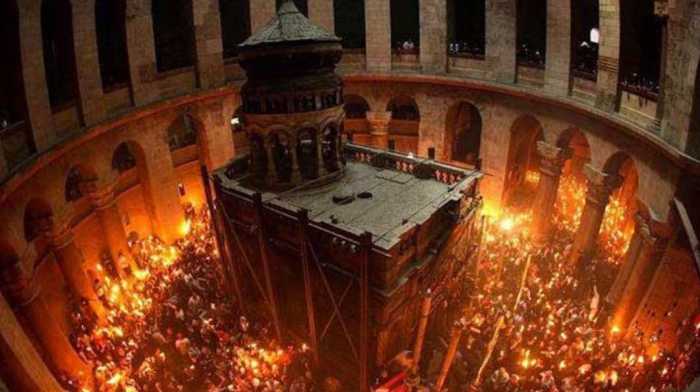
- Orthodox: The Paschal fire, symbolizing the light of Christ’s resurrection, is received from the Holy Fire, believed to descend miraculously at the Church of the Holy Sepulchre in Jerusalem on Holy Saturday. Candles are lit from this fire and distributed to the faithful, who carry the light home. This fire symbolizes the light of Christ’s Resurrection conquering darkness.
The debate around Orthodox Easter versus Catholic Easter often circles the date, a point of contention rooted in different calendars. Before the celebrations diverge, both traditions observe Palm Sunday, marking Jesus’ entry into Jerusalem. Understanding palm sunday meaning provides a common ground, reminding us of the shared core beliefs. Ultimately, the calendar differences lead to separate Easter dates, even though the core message remains the same.
The ceremony often includes a dramatic procession with the Paschal candle.
- Catholic: The Easter Vigil begins with the blessing of the Paschal fire, usually outside the church. The Paschal candle is lit from this fire, representing the risen Christ. The candle is then carried into the darkened church, and the light is gradually spread to the candles of the faithful. The Paschal candle remains lit throughout the Easter season.
- Orthodox: The Paschal fire, symbolizing the light of Christ’s resurrection, is received from the Holy Fire, believed to descend miraculously at the Church of the Holy Sepulchre in Jerusalem on Holy Saturday. Candles are lit from this fire and distributed to the faithful, who carry the light home. This fire symbolizes the light of Christ’s Resurrection conquering darkness.
- Distribution of Blessed Bread (Antidoron):
- Orthodox: After the Divine Liturgy, the remaining bread from the Eucharist (the
-antidoron*) is blessed and distributed to the faithful. It is a symbol of the shared meal and a reminder of the communal aspect of faith. The bread is a tangible sign of the blessings received during the service. - Catholic: The distribution of blessed bread, while not a central element in the same way as in the Orthodox tradition, can be practiced in some parishes, particularly those with strong Eastern Catholic influences. However, the main distribution focuses on the Eucharistic Bread.
- Orthodox: After the Divine Liturgy, the remaining bread from the Eucharist (the
- Significance of the Paschal Greeting:
- Orthodox: The Paschal greeting, “Christ is risen!” and the response, “Truly He is risen!”, is the central greeting throughout the Easter season (forty days). It is a proclamation of faith in the Resurrection and a joyful expression of the victory over death. This greeting is exchanged in every encounter during this period.
- Catholic: The Paschal greeting, “Christ is risen! Alleluia!” is used, although it is not as pervasive throughout the Easter season as in the Orthodox tradition. The emphasis is on the celebration of the Resurrection, and the greeting is a shared expression of faith. The greeting is also sometimes expressed in Latin: “Christus resurrexit! Alleluia!” and “Resurrexit vere! Alleluia!”.
Food and Feast Day Traditions
Easter, marking the resurrection of Jesus Christ, is a celebration observed with profound religious significance. Across both Orthodox and Catholic traditions, the feast day is a culmination of weeks of fasting and spiritual preparation, and the breaking of the fast is marked with joyous feasting and the sharing of symbolic foods. These culinary traditions are deeply rooted in cultural heritage and reflect the theological meaning of Easter.
The timing of Easter varies between Orthodox and Catholic traditions, a difference rooted in the calendars they follow. This leads to varied observances, including when the Lenten season begins. Speaking of Lent, many wonder, and it’s a valid question, whether can you eat meat on ash wednesday. These differing calendars ultimately impact when the joyful celebrations of Easter finally arrive, showcasing the rich diversity within Christianity.
The specific foods and practices vary between the two branches of Christianity, reflecting their distinct histories and liturgical practices.
The differing dates of Orthodox and Catholic Easter stem from calendar discrepancies. While both celebrate the resurrection of Jesus, they use different methods to calculate the date. This year, many are wondering, how many more days till easter , hoping to prepare for the festivities. Ultimately, the variance in calculation means that Orthodox Easter often falls weeks after the Catholic celebration, adding another layer to the already complex religious traditions.
Traditional Foods and Feasting Practices Associated with Orthodox Easter
Orthodox Easter celebrations are characterized by a joyous breaking of the Lenten fast with a variety of symbolic foods. The feasting typically begins after the Paschal Vigil, the night service that concludes the long period of fasting. The most important foods are imbued with religious significance, symbolizing Christ’s resurrection and the renewal of life.
The differing dates for Orthodox and Catholic Easter celebrations often spark curiosity. This variance stems from their adherence to different calendars. Both, however, share the central focus: the celebration of resurrection sunday , commemorating Jesus Christ’s triumph over death. Ultimately, while the dates may diverge, the core message of hope and renewal remains a shared tenet of both traditions, highlighting the significance of this holy day.
- Red Eggs: The most iconic symbol of Orthodox Easter is the red egg. They represent the blood of Christ shed on the cross and the promise of new life. The tradition of dyeing eggs red is ancient, with some legends attributing the practice to Mary Magdalene, who presented Emperor Tiberius with a red egg to proclaim the resurrection. The eggs are often hard-boiled and dyed with natural dyes, such as onion skins, which impart a deep red hue.
The difference in celebrating Orthodox Easter and Catholic Easter often boils down to differing calendars. While both celebrate the resurrection of Jesus, the date varies. Regardless of the calendar used, the sentiment remains the same: a time for joy and renewal. It’s a chance to wish everyone a very happy resurrection sunday , reflecting on faith. This contrast between Orthodox and Catholic Easter dates is a fascinating aspect of Christian traditions.
The cracking of red eggs is a traditional game played during Easter celebrations, with participants tapping their eggs against each other; the person whose egg remains unbroken is considered the winner. This symbolic act reinforces the triumph of life over death.
- Paska Bread: Paska is a sweet bread that is central to the Orthodox Easter table. Its preparation is a ritualistic process, often involving the use of special ingredients and a specific method. The bread is usually round or cylindrical, symbolizing the tomb of Christ. It is often decorated with religious symbols, such as a cross, or with intricate braided dough designs.
The date of Easter varies significantly between Orthodox and Catholic traditions, primarily due to differing calendars. While many Catholics eagerly anticipate the holiday, planning for 2025 involves consulting the catholic calendar 2025 to confirm the specific date. This discrepancy highlights a core difference, as the Orthodox Church adheres to the Julian calendar, resulting in Easter celebrations often occurring weeks after the Catholic observance.
The texture and taste of Paska vary regionally, but it is generally enriched with eggs, butter, and milk, and may contain raisins, candied fruits, and spices. The leavening of the bread symbolizes the rising of Christ from the tomb.
- Kulich: In Russia and other Eastern European countries, Kulich is a tall, cylindrical Easter bread, similar to panettone. It is baked in tall tins, and the top is often decorated with white icing and colorful sprinkles. The high shape of the bread is believed to symbolize the height of heaven.
- Roasted Lamb or Other Meats: Roasted lamb is a common dish, symbolizing Christ, the Lamb of God. It is often served alongside other meats, such as pork or chicken, depending on regional preferences. The meat signifies the end of the Lenten fast and the abundance of the Easter season.
- Cheese and Butter: The breaking of the fast often includes dairy products, such as cheese and butter, which have been forbidden during Lent. These foods represent the abundance and richness of the Easter feast.
- Traditional Soups and Stews: Many Orthodox families also prepare traditional soups and stews, such as borscht or other hearty vegetable soups, to accompany the main courses. These dishes often incorporate vegetables and meats, providing a balanced and flavorful meal.
Traditional Foods and Feasting Practices Associated with Catholic Easter
Catholic Easter celebrations also involve a significant breaking of the fast, with meals that symbolize the joy of the resurrection and the renewal of life. The traditions, while similar in intent to those of the Orthodox, have their own unique characteristics and regional variations.
The observance of Easter differs significantly between Orthodox and Catholic traditions, primarily due to differing calendars. This leads to a varying Easter date each year. Wondering when to mark your calendar? You can find out exactly what day is easter 2025 , allowing you to plan ahead for the festivities. This divergence highlights the historical and theological nuances that shape the celebration of Easter within these distinct Christian branches.
- Easter Ham: Ham is a prominent feature of the Catholic Easter feast, symbolizing joy and prosperity. The tradition of serving ham at Easter dates back centuries and is associated with the abundance of the spring season.
- Hot Cross Buns: Hot cross buns are sweet, spiced buns marked with a cross on top, representing the crucifixion. They are traditionally eaten on Good Friday and Easter. The cross on the bun symbolizes the Christian faith and the sacrifice of Christ. The spices used in the buns are often symbolic, representing the spices used in the embalming of Jesus.
- Lamb: Like in the Orthodox tradition, lamb is a significant dish in many Catholic Easter celebrations, representing Christ as the Lamb of God. It is often roasted and served with various sides.
- Eggs: Eggs, as symbols of new life and resurrection, are central to Catholic Easter celebrations. They are often decorated, colored, and used in various dishes.
- Paschal Candle: Although not a food item, the Paschal candle, lit during the Easter Vigil, is a significant symbol. The candle symbolizes the light of Christ, who conquered death.
- Seasonal Vegetables: The Easter meal often includes a variety of fresh, seasonal vegetables, representing the renewal of life and the bounty of the spring harvest.
Comparison Table: Easter Dishes in Orthodox and Catholic Traditions
| Dish | Orthodox Meaning | Catholic Meaning | Regional Variations |
|---|---|---|---|
| Red Eggs | Blood of Christ, Resurrection, New Life | Resurrection, New Life | Dyeing techniques vary (onion skins, beets); Egg cracking games |
| Paska Bread | Tomb of Christ, Rising of Christ, Sweetness of Life | (Not typically eaten, similar breads exist) | Regional variations in ingredients and decoration. Often braided or round, adorned with religious symbols. |
| Kulich | Symbolizes Heaven | (Not typically eaten) | Tall, cylindrical bread from Russia and Eastern Europe. |
| Easter Ham | Abundance, Breaking of Fast | Joy, Prosperity, Breaking of Fast | Glazed ham, country ham, regional spices. |
| Lamb | Christ, the Lamb of God | Christ, the Lamb of God | Roasted lamb, often with herbs and spices. Served with various sides. |
| Hot Cross Buns | (Not typically eaten) | Crucifixion | Sweet buns with a cross. Often eaten on Good Friday and Easter. |
Symbolism and Meaning of Easter

Easter, the cornerstone of Christian faith, transcends a mere historical event. It’s a profound theological statement about life, death, and the promise of redemption. The symbolism surrounding Easter is rich and multifaceted, reflecting the core beliefs of both Orthodox and Catholic traditions, though with nuanced emphases. This section delves into the central theological significance of Easter and explores the common symbols that encapsulate its meaning.
The timing of Orthodox Easter often differs from Catholic Easter, a result of using different calendars. But regardless of the date, the core of the celebration remains constant. It’s all about commemorating the resurrection of Jesus Christ, and understanding the easter sunday meaning. This fundamental belief unites both traditions, even as their calendars and specific observances vary, showcasing the shared faith at the heart of Orthodox and Catholic Easter celebrations.
Central Theological Significance of Easter within Orthodox Theology
For the Orthodox Church, Easter, or Pascha, is the “Feast of Feasts” and the “Triumph of Triumphs.” It’s not just a commemoration of the resurrection of Jesus Christ; it’s the definitive moment of salvation, the victory over death, and the beginning of a new creation. The resurrection is seen as the fulfillment of God’s promise to humanity, the ultimate demonstration of divine love, and the gateway to eternal life.
The observance of Easter varies significantly between Orthodox and Catholic traditions, primarily due to differing calendars. While both denominations commemorate the crucifixion of Jesus, the timing of the Good Friday service, which is a solemn reflection on the events leading up to the crucifixion, can differ. If you’re curious about the specifics of the Good Friday service, you can find more details here.
Ultimately, the differing dates highlight the complex history and distinct practices within the broader Christian faith, impacting when Easter is celebrated.
Orthodox theology emphasizes the experience of the resurrection, a lived reality accessible through faith and participation in the liturgical life of the Church. The central tenet is theosis, or deification – the process of becoming like God – made possible through Christ’s resurrection.
The date of Easter varies between Orthodox and Catholic traditions, leading to different observances. A key aspect of this difference involves the timing of Good Friday, the day commemorating Jesus’ crucifixion. Both faiths reflect on the significance of this day, and understanding the good friday scripture provides insights into the theological underpinnings of each tradition’s practices. Ultimately, the divergence in the Easter date influences the entire liturgical calendar, separating the two denominations’ celebrations.
Central Theological Significance of Easter within Catholic Theology
Catholic theology also places the resurrection of Jesus Christ at the heart of its faith. Easter celebrates the triumph of Christ over sin and death, offering salvation and the hope of eternal life to all believers. The resurrection is understood as the definitive proof of Jesus’s divinity and the foundation of Christian hope. The Catholic Church emphasizes the Paschal Mystery – the passion, death, and resurrection of Jesus – as a unified event that achieves redemption.
The difference in Easter dates between Orthodox and Catholic traditions often sparks curiosity. This is due to differing calendars used for calculating the holiday. Considering this, it’s interesting to note the date for Easter Sunday in 2027, which is revealed at easter sunday 2027 , allowing us to anticipate when these observances will diverge or align. Ultimately, understanding these calendar nuances is key to appreciating the diverse ways Easter is celebrated globally.
The resurrection is the culmination of this mystery, offering believers the promise of new life and the possibility of reconciliation with God. The emphasis is on the atoning sacrifice of Christ and the gift of grace offered through the sacraments.
The differing dates of Orthodox and Catholic Easter celebrations often cause a bit of confusion. While the actual day of Easter is the focus, many are also curious about the days that follow. This leads to the question of, for instance, what is Easter Monday , and how it’s observed. Ultimately, these discrepancies in dates highlight the diverse traditions within Christianity and the nuances of their holy days.
Common Symbols Associated with Easter in Both Traditions and Their Meanings
Easter is replete with symbols that communicate its profound theological meaning. These symbols, while sometimes interpreted with slight variations, are universally recognized across both Orthodox and Catholic traditions.The following list details some of the most prominent symbols and their associated meanings:
-
The Paschal Candle: Representing Christ as the Light of the World. It is lit at the Easter Vigil and symbolizes the resurrection and the victory of light over darkness. The candle is often inscribed with the Greek letters Alpha and Omega, signifying that Christ is the beginning and the end. The Paschal candle is often decorated with five incense grains, representing the five wounds of Christ.
The date of Easter varies between Orthodox and Catholic traditions, leading to different observances. A crucial question often arises during this period: regarding dietary restrictions. Specifically, many wonder, regardless of their Easter observance, if can you eat meat on good friday , particularly during Holy Week. These differences in practice highlight the nuances between the two major branches of Christianity and their distinct liturgical calendars, ultimately affecting how believers observe this important holiday.
- The Empty Tomb: The empty tomb is a powerful symbol of the resurrection. It testifies to the fact that Jesus is no longer dead but alive. The absence of the body signifies the victory over death. It is a visual representation of the core belief of the resurrection.
-
Eggs: Painted eggs symbolize new life and resurrection. The egg’s hard shell represents the sealed tomb, and the cracking of the shell symbolizes the breaking forth of new life from the tomb. The red color of the eggs, particularly in Orthodox traditions, represents the blood of Christ shed for the redemption of humanity. This custom is linked to the legend that Mary Magdalene brought an egg to Emperor Tiberius to announce the resurrection, and the egg miraculously turned red.
The Orthodox and Catholic churches often celebrate Easter on different dates, a divergence rooted in differing calendars. This difference inevitably leads to varying Easter dates year by year. For those planning ahead, the exact date for Easter in 2026 can be found at easter 2026 date , allowing for ample preparation. Understanding these calendar discrepancies is key to appreciating the nuances within Christianity and the global celebration of Easter.
-
Lamb: The lamb represents Jesus Christ, the “Lamb of God,” who was sacrificed for the sins of the world. The Easter lamb symbolizes the sacrificial death of Christ on the cross and the redemption offered to humanity through his sacrifice. The tradition of eating lamb on Easter Sunday, particularly in Western Christianity, reflects this symbolism.
The timing of Easter varies significantly between Orthodox and Catholic traditions. This divergence stems from different calendar systems. Catholics, using the Gregorian calendar, determine Easter’s date, while Orthodox Christians often follow the Julian calendar. To understand these differences, examining the catholic calendar can be insightful, helping to explain why the celebrations sometimes fall weeks apart, a fascinating aspect of Christian history.
-
The Cross: While a symbol of suffering and death, the cross is also a symbol of victory over death in the context of Easter. The resurrection transforms the cross from an instrument of execution into a symbol of hope and salvation. The cross is a constant reminder of Christ’s sacrifice and the promise of eternal life.
The intricacies of Orthodox and Catholic Easter celebrations often lead to differing dates, a consequence of distinct calendars. While the Western churches adhere to the Gregorian calendar, the Eastern Orthodox churches primarily follow the Julian calendar. This difference means that determining the exact date is crucial, and if you’re curious about when this holiday falls next year, you can find the details on easter sunday 2025.
Ultimately, the variations in calculations highlight the fascinating diversity within Christianity and its observances.
- White Lilies: These flowers, often associated with Easter, symbolize purity, innocence, and new life. Their white color reflects the purity of Christ and the hope of resurrection. They are frequently used in church decorations during the Easter season.
- The Sun: The rising sun is a symbol of the resurrection and the dawn of a new era. It represents the triumph of light over darkness, of life over death, and of hope over despair. The imagery of the sun rising is frequently used in Easter hymns and liturgies.
Regional Variations and Cultural Expressions

Easter celebrations, both Orthodox and Catholic, are not monolithic; they are vibrant tapestries woven with threads of local traditions, historical influences, and geographical contexts. The core tenets of the resurrection of Jesus Christ provide a common foundation, but the ways in which these beliefs are expressed vary dramatically across regions and cultures. This diversity enriches the Easter experience, transforming it from a singular event into a multifaceted global phenomenon.
The differing dates for Orthodox and Catholic Easter celebrations often spark curiosity. This difference stems from varying calendars used for determining the date. Understanding these dates is crucial, especially when planning around religious holidays. For those seeking a comprehensive overview, the details on holy days of obligation 2025 provide further context. Ultimately, these calendar discrepancies underscore the rich diversity within Christian traditions, influencing everything from service schedules to personal observances around Orthodox Easter and Catholic Easter.
Orthodox Easter Celebrations Around the World
The Orthodox Church, with its global reach, witnesses a remarkable range of Easter celebrations. These expressions often reflect the specific histories, folk traditions, and liturgical practices of the local communities. Observances can differ based on the specific Orthodox jurisdiction (e.g., Greek, Russian, Serbian) and the degree of assimilation with local customs.
The differing dates of Orthodox and Catholic Easter often spark curiosity. While the calculations vary, the debate extends beyond just calendars. Some historians and researchers delve into the origins, questioning if Easter, as a celebration, stems from pagan roots. You might be surprised to learn more about it by checking out is easter a pagan holiday. Ultimately, the contrasting timelines of Orthodox and Catholic Easter reflect deeper historical and theological distinctions within Christianity itself.
- Greece: In Greece, the Holy Week is marked by solemn processions and fervent devotion. On Holy Saturday, the “Holy Fire” is brought from Jerusalem and distributed throughout the churches. The traditional greeting, “Christos Anesti!” (“Christ is risen!”), is met with the response “Alithos Anesti!” (“Truly, He is risen!”). The festive meal typically includes
-tsoureki* (a sweet bread), red-dyed eggs, and
-magiritsa* soup (made from lamb offal).The differing dates for Orthodox and Catholic Easter celebrations often stem from different calendars. Understanding this difference is key, as it influences when observances like Good Friday are held. For those looking ahead, the date for Good Friday 2025 will be of particular interest. Ultimately, these variations highlight the diverse ways in which Christianity marks its most sacred holidays, including the ongoing discussion between Orthodox and Catholic traditions.
- Russia: Russian Orthodox Easter, or
-Paskha*, is a deeply spiritual and celebratory event. Churches are filled with elaborate decorations and the faithful attend all-night vigils. A significant tradition involves the exchange of red Easter eggs, symbolizing the blood of Christ and the promise of new life. The Easter meal features
-kulich* (a tall, cylindrical Easter bread) and
-paskha* (a pyramid-shaped dessert made from sweetened cheese).The observance of Easter varies between Orthodox and Catholic traditions, primarily due to differing calendars. While both celebrate the resurrection of Jesus, the date isn’t always aligned. However, the core message remains the same: a celebration of faith. Ultimately, regardless of the specific date, the sentiment is beautifully captured with happy resurrection day. Whether Eastern or Western, the core belief in the triumph over death unites the faithful, making Easter a universally significant event.
- Romania: Romanian Orthodox Easter traditions are similar to those in other Eastern European countries, with an emphasis on religious services, the blessing of food, and family gatherings. The midnight mass is a central element of the celebrations. Red eggs,
-cozonac* (a sweet bread similar to kulich), and lamb dishes are typical features of the Easter feast. - Serbia: In Serbia, Easter is celebrated with great joy and festivity. The most important tradition is the egg tapping competition, where people crack their red-dyed eggs against each other, the person whose egg remains unbroken is considered the winner. Families often gather for a celebratory lunch that includes roasted lamb and various other traditional dishes.
- Ethiopia: Ethiopian Orthodox Tewahedo Easter, called
-Fasika*, is celebrated after a long period of fasting called
-Abey Tsome* (Great Lent). The celebrations include attending church services, feasting on traditional foods, and spending time with family. A significant aspect of
-Fasika* is the consumption of
-doro wat* (chicken stew) and
-injera* (a flatbread).
Catholic Easter Celebrations Around the World
Catholic Easter celebrations also exhibit a wide spectrum of regional customs, reflecting the Church’s global presence and its integration with diverse cultural contexts. While the core liturgical practices remain consistent, local traditions add unique dimensions to the observances.
The differing dates of Orthodox and Catholic Easter celebrations often spark curiosity. This divergence stems from distinct calendar systems. Considering this, the anticipation builds for the upcoming Palm Sunday in 2025, which falls on a specific date, a significant marker before the Easter celebrations, as seen on palm sunday 2025. Ultimately, understanding these calendar nuances is key to appreciating the diverse ways Easter is observed across various Christian traditions, including both Orthodox and Catholic churches.
- Italy: Italian Easter celebrations are known for their vibrant colors, elaborate processions, and festive meals. The Easter Sunday lunch is a significant event, often featuring lamb, pasta dishes, and the traditional
-colomba* cake (a dove-shaped sweet bread). In Florence, the “Scoppio del Carro” (“Explosion of the Cart”) is a spectacular event involving a decorated cart being set alight by a rocket, symbolizing the resurrection. - Spain: In Spain, Holy Week, or
-Semana Santa*, is a period of intense religious devotion. Elaborate processions, featuring statues of Jesus and Mary, are held in many cities. The processions are accompanied by music, drumming, and the chanting of prayers. Traditional foods include
-torrijas* (similar to French toast) and
-pestiños* (fried pastries). - Mexico: Mexican Easter celebrations are marked by a combination of religious observance and festive activities. Holy Week is observed with processions, masses, and the reenactment of the Passion of Christ. On Easter Sunday, families gather for celebratory meals, and children often receive Easter baskets filled with candy and toys. Piñatas are also a common feature of the celebrations.
- Philippines: In the Philippines, Easter is a major religious holiday marked by processions, masses, and family gatherings. The “Salubong” is a traditional ceremony that re-enacts the meeting of the resurrected Christ and his mother Mary. Celebratory meals typically include dishes such as
-lechon* (roasted pig) and various other Filipino delicacies. - United States: In the United States, Easter celebrations are characterized by a blend of religious and secular traditions. Church services and religious observances are common, but Easter is also associated with activities like Easter egg hunts, the Easter Bunny, and festive meals. Easter parades, particularly in cities like New York and Washington, D.C., are also popular events.
Examples of Easter Celebrations Around the World:
- Greece: “Christos Anesti!” (“Christ is risen!”) is the greeting, followed by “Alithos Anesti!” (“Truly, He is risen!”).
- Russia: The exchange of red Easter eggs is a prominent symbol.
- Italy: The “Scoppio del Carro” in Florence is a spectacular event.
- Spain:
-Semana Santa* features elaborate processions.- Philippines: The “Salubong” ceremony re-enacts the meeting of the resurrected Christ and his mother Mary.
The Impact of Easter on Social and Community Life
Easter, a pivotal religious observance for both Orthodox and Catholic traditions, profoundly shapes social structures and community interactions. The celebrations extend beyond religious rituals, fostering a sense of belonging, reinforcing cultural identity, and providing opportunities for communal bonding. These influences are evident in the organization of family gatherings, the participation in community events, and the preservation of traditions passed down through generations.
Orthodox Easter Influences on Family Gatherings and Community Activities
Orthodox Easter, known as Pascha, is the most significant religious holiday in the Orthodox Christian calendar, and its impact is strongly felt in family and community life. It is a period marked by intense spiritual preparation and culminates in joyous celebrations.
The varying dates of Orthodox and Catholic Easter celebrations stem from differing calendars. This difference directly impacts related observances. For instance, understanding the timing of related events is crucial, so you might wonder, when is good friday ? Knowing this helps contextualize the entire Easter season, which highlights the distinct liturgical practices separating Orthodox and Catholic traditions. Ultimately, it reflects their unique approaches to the Christian calendar.
- Family Reunions: Easter is a time for families to come together, often traveling long distances to celebrate with relatives. The extended family, including grandparents, aunts, uncles, and cousins, gathers for the festive meals and the sharing of traditions. This reinforces family bonds and passes down cultural heritage to younger generations.
- Church Services and Processions: The central element of Orthodox Easter is the church service, which begins late on Holy Saturday and continues through the night into Easter Sunday. Many Orthodox Christians attend these services, and some communities organize outdoor processions around the church, often carrying icons and candles. This participation strengthens community bonds and unites believers in a shared religious experience.
- Feasting and Sharing: The fast of Great Lent ends with the Easter service. Following the service, families and communities engage in a feast. Traditional foods such as red-dyed eggs, Easter bread (Tsoureki in Greece, Kulich in Russia), and roast lamb or other meats are shared. The sharing of food symbolizes the breaking of the fast and the joy of the resurrection.
- Community Outreach: Orthodox communities often engage in acts of charity and outreach during Easter. Donations to the poor, visiting the sick, and providing meals to those in need are common practices. These activities promote social cohesion and reflect the Christian values of compassion and service.
Catholic Easter Influences on Family Gatherings and Community Activities
Catholic Easter, or Resurrection Sunday, also serves as a powerful force in shaping social dynamics and community interactions. The celebration of the resurrection of Jesus Christ creates a framework for family reunions, community events, and the expression of shared cultural values.
- Family Celebrations: Catholic Easter celebrations frequently involve family gatherings. These gatherings can include extended family members, creating opportunities for social interaction, the sharing of meals, and the passing down of family traditions.
- Mass Attendance: A core element of Catholic Easter is the attendance at Mass. Easter services are well-attended, drawing people from all segments of the community. This shared religious experience reinforces a sense of belonging and unites Catholics in their faith.
- Community Events: Many Catholic communities organize Easter-related events, such as Easter egg hunts for children, community meals, and volunteer activities. These events create opportunities for social interaction and strengthen community bonds.
- Cultural Traditions: Easter celebrations often incorporate local and regional traditions. These can include the preparation of specific foods, such as hot cross buns in the UK, or the participation in local festivals and parades. Such traditions express and preserve cultural identity.
Promoting Social Cohesion and Cultural Identity Through Easter Celebrations
Easter celebrations in both Orthodox and Catholic traditions serve as catalysts for social cohesion and the expression of cultural identity. The shared experiences, rituals, and traditions associated with Easter strengthen bonds within families and communities.
The differing dates of Orthodox and Catholic Easter stem from calendar discrepancies, a fascinating historical puzzle. This year’s celebrations have passed, but many are already looking ahead. If you’re curious about the exact date, you can find the answer by checking the easter 2025 date. Ultimately, understanding these calendar calculations offers a deeper appreciation for the unique traditions of both Orthodox and Catholic Easter observances.
- Shared Religious Beliefs: Both traditions center on the belief in the resurrection of Jesus Christ. This shared belief provides a common ground for social interaction and strengthens the sense of belonging among believers.
- Cultural Traditions: Easter traditions often incorporate local and regional customs. The preparation of specific foods, the participation in local festivals, and the performance of unique rituals help preserve and transmit cultural identity. For example, the tradition of breaking red eggs in Orthodox cultures is a powerful symbol of the resurrection.
- Intergenerational Transmission: Easter celebrations offer a valuable opportunity to transmit cultural and religious heritage to younger generations. Grandparents, parents, and other family members pass down traditions, stories, and values, ensuring the continuity of cultural identity.
- Community Engagement: Easter often promotes community engagement through events like food drives, charity work, and volunteer activities. These actions strengthen social bonds and reflect the Christian values of compassion and service.
Art and Iconography
Artistic expression serves as a powerful medium for conveying the core tenets of faith and celebrating significant religious events. Both Orthodox and Catholic traditions utilize a rich tapestry of visual representations to communicate the story of Easter, although their stylistic approaches and preferred imagery diverge in key aspects. These artistic traditions provide a visual language that reinforces theological concepts and fosters a sense of community among believers.
Orthodox Easter Iconography
The Orthodox tradition is deeply rooted in the use of icons, which are not merely decorative but are considered windows into the divine. These images are crafted with specific theological principles in mind, serving as a visual theology.Orthodox Easter iconography emphasizes the triumph of Christ over death, and the central theme is the Resurrection. The iconography is characterized by specific stylistic conventions.
The debate between Orthodox and Catholic Easter celebrations often boils down to differing calendars. A key marker in both traditions is the observance of Palm Sunday, which commemorates Jesus’ triumphant entry into Jerusalem, and its date can vary. However, this date discrepancy directly influences when the Easter celebrations themselves begin, creating a noticeable difference in the Orthodox and Catholic calendars, particularly concerning palm sunday traditions.
This divergence ultimately highlights the core theological and historical factors separating the two branches of Christianity.
- The Descent into Hades (Anastasis): This is the most significant iconographic representation of the Resurrection. Christ is depicted breaking down the gates of Hades, often trampling upon the broken locks and doors. He is usually shown pulling Adam and Eve, and sometimes other righteous figures, out of their tombs. The figures are rendered in a highly stylized manner, with elongated proportions and vibrant colors, often gold leaf to symbolize the divine light.
This iconographic tradition conveys the idea that Christ’s death and resurrection conquered death itself and liberated humanity from its power. The emphasis is not on the physical resurrection of Christ, but on the spiritual victory over death.
- The Myrrh-Bearing Women at the Tomb: This scene depicts the women who went to the tomb to anoint Jesus’ body. They are often shown encountering an angel who announces the Resurrection. The angel’s presence is often emphasized through radiant light and dynamic poses. The tomb itself is typically shown as an open cave, revealing the empty burial shroud. This imagery highlights the witness to the resurrection and the initial reaction to the news of Christ’s rising.
- Paschal Icons: Special icons are created for the Paschal season (Easter) that often depict the Resurrection alongside scenes of the Crucifixion and the Descent into Hades. These icons often feature a central figure of Christ surrounded by scenes from the Passion and Resurrection. The iconographic style reflects Byzantine influences, with a focus on symbolism and spiritual depth. The use of gold leaf symbolizes the divine light and the heavenly realm.
Catholic Easter Art and Iconography
Catholic Easter art, while also encompassing iconic traditions, demonstrates a wider range of styles and artistic expressions, including paintings, sculptures, and stained-glass windows. The imagery is often more narrative and focused on depicting the events of the Passion, Death, and Resurrection.Catholic artistic representations are diverse and reflect the history of Western art. They emphasize the human aspects of the Passion and the glory of the Resurrection.
- The Crucifixion: The Crucifixion is a central theme, often depicted with a realistic portrayal of Christ’s suffering. The emphasis is on the physical suffering of Christ and the sacrifice he made for humanity. The artistic style varies, but the goal is to evoke empathy and understanding of Christ’s sacrifice.
- The Resurrection: The Resurrection is depicted in various ways, including Christ emerging from the tomb, often holding a banner of victory. The emphasis is on the physical resurrection of Christ. The style ranges from the dramatic realism of the Renaissance to more symbolic representations.
- The Appearance to Mary Magdalene: This scene, often depicted in paintings and sculptures, shows the resurrected Christ appearing to Mary Magdalene. The emphasis is on the encounter and the recognition of the risen Christ. The style can range from realistic depictions to more symbolic representations, emphasizing the divine nature of Christ.
- Easter Gardens: These are often used in Catholic churches during the Easter season. They depict the empty tomb with flowers, often with a statue of the risen Christ. This offers a visual representation of the Resurrection and serves as a focal point for prayer and reflection.
Ultimate Conclusion: Orthodox Easter Vs Catholic Easter
So, what have we learned? Orthodox Easter and Catholic Easter, while rooted in the same faith and celebrating the same central event, paint their celebrations with different brushes. From the timing dictated by the calendar to the unique customs and regional flavors, each tradition offers a rich and distinct experience. Ultimately, both point towards the same beacon of hope and renewal.
The beauty lies not only in the differences but in the shared joy of the resurrection. Now go forth and enjoy some delicious Easter treats!
FAQ Overview
Why does the date of Easter change every year?
The date of Easter is determined by the lunar calendar and the vernal equinox. It falls on the first Sunday after the first full moon following the vernal equinox. This is why it’s a movable feast!
Why do Orthodox and Catholic Easters sometimes fall on the same day?
It’s rare, but it happens! When the calculations align, the Orthodox and Catholic Churches celebrate Easter on the same day. This usually happens when the Julian calendar’s full moon and the Gregorian calendar’s full moon happen to be in sync.
Are there any major differences in the theological understanding of Easter?
The core theological significance of Easter is the same: the resurrection of Jesus Christ. However, there might be slight emphasis differences in specific aspects of the resurrection story or related theological concepts between the two traditions.
Can I participate in both Orthodox and Catholic Easter celebrations?
Yes, you are welcome to participate in the celebrations of both. The key is to be respectful of the different traditions and customs.
The variance in Easter dates between Orthodox and Catholic traditions is well-known, stemming from different calendars. But regardless of the date, the observance of Good Friday remains significant. Many Catholics often wonder, and rightly so, about whether is Good Friday a holy day of obligation , which is a crucial question. This focus on the crucifixion and resurrection then naturally leads back to the broader comparison of how these core events are observed in the Orthodox versus Catholic churches.
The differing dates of Orthodox and Catholic Easter often spark curiosity. This difference stems from the use of different calendars to determine the date. If you’re planning ahead and wondering about religious holidays, checking out the january 2026 calendar can give you a glimpse of when Easter falls that year, which in turn helps you understand the disparity between the two traditions and their celebrations.
The differing dates for Orthodox and Catholic Easter stem from distinct calendars. While both traditions observe Holy Week, the specific observances vary. For instance, the Monday of Holy Week, known as Holy Monday , carries unique significance in each. Ultimately, the divergence in calculations means the celebration of the resurrection can sometimes fall weeks apart for the two branches of Christianity, influencing their respective Holy Week schedules.
The most notable difference between Orthodox and Catholic Easter lies in the date, often separated by weeks. This divergence stems from their differing adoption of the orthodox calendar , which influences how they calculate the holiday. Ultimately, the varied application of these calendars leads to separate celebrations, though both faiths commemorate the same central event: the resurrection of Jesus Christ.
The date of Easter varies each year, a point of difference between Orthodox and Catholic traditions. While both celebrate the resurrection of Jesus, they often observe it on different Sundays. This naturally leads to the question of whose feast day is today , particularly during those years when the celebrations diverge. Ultimately, these differences in calculation highlight the varied paths within Christianity, yet both ultimately honor the same core belief.
The observance of Easter differs between Orthodox and Catholic Christians, primarily due to differing calendars. But, have you ever wondered about the actual reason behind the date’s fluctuation? The answer lies in the lunar cycles and the calculations tied to the spring equinox. For a deeper dive into the mechanics, you can explore why does easter change dates.
Understanding this sheds light on why Orthodox Easter often falls later than the Catholic one, a difference rooted in the adoption of different calendars.
The differences in calculating Easter dates between Orthodox and Catholic traditions often lead to separate celebrations. For those curious about planning ahead, especially for family gatherings or religious observations, you might want to grab a 2026 calendar printable to mark the potential dates. This calendar will help visualize the differing Easter Sundays and ensure you don’t miss out on either celebration, highlighting the fascinating complexities of Christian traditions.
The timing of Easter differs between Orthodox and Catholic traditions, leading to varying dates. This difference often sparks questions about everyday life, like whether services will be available. Many people wonder, regardless of their Easter observance, are stores open on easter sunday , to plan their day accordingly. Ultimately, understanding these date disparities highlights the diverse practices within Christianity, specifically between Orthodox and Catholic celebrations.
The varying dates of Orthodox and Catholic Easter often spark curiosity. A key difference lies in the calendars used; while the Orthodox Church follows the Julian calendar, the Catholic Church adheres to the Gregorian calendar. This directly impacts how Easter is calculated, leading to different observances. Understanding the roman catholic calendar is crucial to grasping why these dates diverge, ultimately shaping the celebrations of Easter across different Christian traditions.
The differing dates of Orthodox and Catholic Easter stem from calendar discrepancies, leading to debates over the precise timing of Jesus’s crucifixion. While both traditions commemorate the event, the question of whether Jesus truly died on Good Friday, as both denominations believe, is a focal point. You can delve deeper into this by exploring the evidence surrounding did jesus die on good friday.
Ultimately, understanding these nuances is key to appreciating the complexities within Orthodox and Catholic Easter observances.
The varying dates of Orthodox and Catholic Easter celebrations often spark curiosity. Differences in calendars contribute to this divergence, but both traditions share the core belief in Jesus’s resurrection. Reflecting on this shared faith, one can find solace and meaning in scriptures, especially during Good Friday. Delving into good friday bible verses provides a deeper understanding of the events leading up to Easter.
Ultimately, the contrasting dates serve as a reminder of the diverse expressions of Christian faith and the universal message of hope.
The difference between Orthodox and Catholic Easter celebrations stems from different calendars, impacting the date. While some are already preparing, have you checked how many days until easter are left? This varying timing means some Christians celebrate weeks apart, highlighting the diverse traditions within Christianity. The key is understanding the historical and astronomical factors behind the differing Easter dates.
The date of Easter differs between Orthodox and Catholic traditions, leading to varying observances. A key aspect of Holy Week, regardless of the specific date, is Good Friday, where many Christians observe fasting. This practice, detailed further in good friday fasting , is a somber reflection. Ultimately, the differing Easter dates highlight the diverse ways these branches of Christianity express their faith and traditions throughout the liturgical year.
The timing of Easter celebrations varies between Orthodox and Catholic traditions, often due to differing calendars. This leads to questions about observances, such as whether one can eat meat on specific days. For example, many wonder, is it permissible to eat meat on Holy Thursday? You can find the answer by checking out this resource: can you eat meat on holy thursday.
Understanding these nuances is crucial for navigating the different practices observed during the Easter season, depending on whether you’re following the Orthodox or Catholic calendar.
The date difference between Orthodox and Catholic Easter often sparks debate, but both branches of Christianity share core beliefs. A crucial element for both is Palm Sunday, with its specific readings. Delving into the palm sunday scriptures reveals the shared narrative of Jesus’s triumphant entry into Jerusalem. Understanding these scriptures helps to appreciate the differing calculations that lead to separate Easter celebrations.
The differing dates of Orthodox and Catholic Easter often spark curiosity. This stems from different calendars used for calculations. Focusing on the events leading up to Easter, we can look at the importance of holy week wednesday , a significant day for both traditions. Ultimately, the core message of Easter, however, remains the same for both Orthodox and Catholic believers, celebrating the resurrection of Jesus Christ.
The varying dates of Orthodox and Catholic Easter stem from different calendar systems. This difference also impacts other related observances. For instance, the timing of Lent is affected, and that in turn dictates the date of Ash Wednesday. If you’re curious about the specifics, you can check when is ash wednesday this year. Ultimately, understanding these calendars is key to grasping the nuances of the Orthodox Easter versus Catholic Easter debate.
The difference between Orthodox and Catholic Easter often boils down to the calendar used for calculation. While both celebrate the resurrection of Jesus, the exact date varies. This prompts the question: on what day did Jesus rise ? Understanding this helps clarify why these two major branches of Christianity sometimes observe Easter on different Sundays, a fascinating aspect of their shared faith.
The observance of Easter varies, particularly between Orthodox and Catholic traditions, due to differing calendars. Regardless of the date, the spirit of the holiday remains the same, and many seek inspiration from uplifting messages. To find some of these sentiments, you can check out easter sunday quotes for reflections on the resurrection. Whether celebrating on a different Sunday or the same, the core message of hope and renewal is universally cherished.
The differing dates of Orthodox and Catholic Easter often spark curiosity. This divergence stems from different calendars used to calculate the holiday. For those planning ahead, the february 2026 calendar may offer a glimpse into when these celebrations will occur, impacting travel and scheduling. Ultimately, the disparity highlights the fascinating complexities within Christianity’s traditions surrounding Easter.
The differing dates of Orthodox and Catholic Easter often cause confusion. This stems from the use of different calendars to calculate the holiday. For those already planning ahead, the 2026 holiday calendar, accessible via 2026 holiday calendar , is a useful resource to avoid any scheduling conflicts. It is important to remember the variations when making travel plans, or planning any religious observations.
The differing dates for Orthodox and Catholic Easter celebrations often spark curiosity. A key factor in this divergence lies in the calendars used and the calculations involved. Both traditions, however, share the observance of important events, with a focus on the solemnity of the holy week days , including Good Friday and Holy Saturday. Ultimately, the varying dates only emphasize the shared core beliefs of Christianity, even if their timing differs.
The observance of Easter differs between Orthodox and Catholic traditions, primarily due to differing calendars. This results in separate dates for the holiday. Understanding this, many are likely wondering, just how much days until easter ? This question is especially relevant as we consider the varying schedules, ensuring we know which Easter we’re celebrating – the Orthodox or the Catholic one.
The observance of Easter differs between Orthodox and Catholic traditions, primarily due to differing calendars. This brings up the question: is easter a holiday a time for celebration or something else? The varying dates highlight the complexities within Christianity, yet both groups share the core belief in the resurrection of Jesus, even if the specific day of celebration varies.
This core belief is the foundation.
The Orthodox and Catholic churches often celebrate Easter on different dates, a divergence stemming from differing calendars. This difference impacts the observance of Holy Week, including the question of whether Holy Thursday is a day of obligation. While the specific obligations vary, the answer to the question, is holy thursday a holy day of obligation , depends on the denomination.
Ultimately, these calendar discrepancies highlight the diverse traditions within Christianity, influencing how both Orthodox and Catholic believers experience Easter.
The differing dates of Orthodox and Catholic Easter often spark debate, rooted in calendar discrepancies. While the specifics vary, Catholics observe certain holy days, with 2025’s schedule readily available to plan ahead, including understanding the catholic holy days of obligation 2025. This calendar divergence highlights a key difference between the two branches of Christianity, influencing their liturgical practices and seasonal celebrations.
The differing dates of Orthodox and Catholic Easter often spark curiosity. This stems from the use of different calendars. Interestingly, if you’re already planning ahead, the june 2026 calendar shows a unique situation where the two Easters are relatively close together, though still separated. This proximity highlights the core differences in how these two branches of Christianity calculate the holiest day of the year.
The Orthodox and Catholic churches often celebrate Easter on different dates, a result of differing calendars. This difference leads to variations in observances. Considering the liturgical calendar, a common question arises: can catholics eat meat on good friday ? The answer highlights the distinct practices within each denomination. Ultimately, the timing of these practices is another aspect that distinguishes the Orthodox Easter from the Catholic Easter, showcasing the rich diversity within Christianity.
The variance in Easter dates between Orthodox and Catholic traditions stems from differing calendars. While Western churches often celebrate in March or April, Orthodox Easter can fall later. Curious about the specific dates? A quick glance at the may 2026 calendar reveals the Orthodox Easter observance for that year. This divergence underscores the fascinating historical and theological nuances shaping the Christian calendar and the yearly celebrations of Easter.
The variance between Orthodox and Catholic Easter stems from differing calendars, leading to separate celebration dates. Understanding this difference is crucial, especially when wondering, “is today palm sunday” is today palm sunday , which marks the start of Holy Week for both. This discrepancy highlights a core aspect of the split, influencing not just Easter but also the preceding observances and their respective timelines, reflecting the historical divergence of the churches.
The debate between Orthodox and Catholic Easter dates often overshadows the shared roots of the holiday. Both traditions, however, recognize the importance of events like Palm Sunday. This day, commemorating Jesus’ triumphant entry into Jerusalem, is a crucial element, as described in palm sunday in the bible , setting the stage for the Passion. Ultimately, understanding Palm Sunday offers valuable insight into the nuanced differences that separate Orthodox and Catholic Easter celebrations, revealing common ground despite the calendar discrepancies.
The differing dates of Orthodox and Catholic Easter often lead to a fascinating exploration of traditions. A key aspect, regardless of the date, is Palm Sunday, when blessed palm fronds are distributed. These palms, a symbol of Jesus’ entry into Jerusalem, are a poignant reminder of the shared faith, as highlighted by understanding more about palm sunday palms.
Ultimately, the celebrations of both Orthodox and Catholic Easter, while distinct in timing, are rooted in the same core beliefs.
The Orthodox and Catholic churches celebrate Easter on different dates, a difference rooted in differing calendars. But regardless of when it falls, the week following Easter Sunday holds immense importance. Exploring the significance of easter monday offers a deeper understanding of this holy period, reminding us of the joy and reflection central to the Easter season. This difference in timing, however, doesn’t diminish the shared core beliefs celebrated by both traditions.
The differing dates for Orthodox and Catholic Easter stem from calendar discrepancies. While both celebrate the resurrection, their calculations diverge. A crucial aspect of this celebration revolves around the precise timing: specifically, understanding what day did jesus die and rise again is fundamental to the observance. Ultimately, the debate highlights the complexities in determining the precise date of the holiest day in Christianity, a challenge for both traditions.
The differing dates of Orthodox and Catholic Easter celebrations often spark curiosity. This divergence stems from calendar variations, leading to debates on historical accuracy. Considering the core belief, many wonder: on what day did jesus resurrect ? While the exact date is debated, the underlying faith remains. Ultimately, both branches of Christianity commemorate the same pivotal event, albeit on different days due to calendar differences.
The differing dates of Orthodox and Catholic Easter stem from calendar variations, impacting celebrations worldwide. This is especially important when considering the upcoming Easter Monday, and for 2025, you can find out the exact date for that year on easter monday 2025. Understanding these discrepancies is key, as the divergence highlights the unique liturgical practices within the Christian faith and when each Easter is celebrated.
The divergence in celebrating Easter between Orthodox and Catholic churches often stems from differing calendars. This difference leads to variations in when Easter falls, impacting related observances. A key aspect of this is the observance of Easter Friday, a day that holds profound significance in the Christian faith, and its date can be found easily on easter friday.
These distinct dates ultimately reflect the historical and theological nuances that continue to shape the observance of Easter in both traditions.
The timing of Easter differs between Orthodox and Catholic traditions, leading to separate celebrations. While both observe the solemnity of Holy Week, the Catholic world commemorates Good Friday with services reflecting on Christ’s crucifixion. Attending a good friday mass is a key part of this observance. The date divergence means Orthodox Christians may be preparing for Easter while Catholics have already celebrated it, highlighting a fascinating difference in the Christian calendar.
The disparity between Orthodox and Catholic Easter dates often sparks curiosity. While both celebrate the resurrection of Jesus, their calendars differ. Understanding this highlights the broader context of christian religious holidays , which encompass various observances throughout the year. Ultimately, the contrasting Easter timings underscore the complex history and diverse traditions within Christianity, impacting when believers celebrate this pivotal event.
The differing dates of Orthodox and Catholic Easter often cause a bit of confusion, stemming from their use of different calendars. Curious about when these celebrations fall in the coming years? You might want to check out the feb 2026 calendar for a sneak peek. This helps visualize the gap. Ultimately, the varying methods for calculating Easter’s date will continue to set the two observances apart.
The disparity between Orthodox and Catholic Easter celebrations stems from differing calendar systems. This leads to varying dates for significant observances, including Good Friday. Curious about when Good Friday falls in 2025? You can find the exact date by checking good friday 2025 date. Ultimately, these calendar discrepancies highlight the distinct traditions within Christianity, influencing the timing of the most important holy days like Easter itself for both denominations.
The differing dates of Orthodox and Catholic Easter stem from calendar variations, impacting when the resurrection is commemorated. This divergence leads to distinct observances, including the rituals of Holy Week. Consider, for example, the events leading up to the holiday; understanding the significance of Holy Tuesday , for instance, helps to grasp the different perspectives on Easter. Ultimately, these variations highlight the complex history and traditions that shape both Eastern and Western Christian practices surrounding Easter.
The difference between Orthodox and Catholic Easter celebrations often stems from different calendars, leading to separate dates. Regardless of the date, both traditions observe Holy Week, a period culminating in Easter Sunday. During this time, Christians reflect on Jesus’s final days. To understand the sequence of events, one can explore what are the 7 days of holy week.
Ultimately, both Orthodox and Catholic communities share the same core beliefs and the significance of the Easter story, even if their observances sometimes differ in timing.
The differing dates for Orthodox and Catholic Easter often spark curiosity. The primary factor is the Julian calendar used by some Orthodox churches, contrasting with the Gregorian calendar. Regardless of the religious affiliation, many are keen to know exactly how many days remain until the celebration. You can easily find out by checking the days till easter countdown.
This variance ultimately highlights the rich tapestry of traditions surrounding Orthodox Easter and Catholic Easter.
The observance of Easter differs between Orthodox and Catholic traditions, primarily due to differing calendars. While both celebrate the resurrection of Jesus, the date varies. This difference leads to separate Easter celebrations. For Catholics, the date is determined by the Gregorian calendar, and you can find the specific date for easter sunday catholic each year. Consequently, the Orthodox Easter often falls on a different Sunday, sometimes weeks later, creating a fascinating divergence in the Christian calendar.
The disparity in Orthodox and Catholic Easter dates stems from differing calendars, a fascinating theological point. Before the joyous Easter celebrations, Palm Sunday marks the start of Holy Week. But what does what does palm sunday mean ? Understanding this adds depth, especially when considering how Orthodox and Catholic traditions observe these significant events in the Christian calendar, ultimately showcasing the nuances of their shared faith.
The timing of Easter differs between Orthodox and Catholic traditions. A key factor in this divergence lies in the use of the eastern orthodox calendar , which calculates the date of Easter based on the Julian calendar, unlike the Gregorian calendar used by Catholics. This results in Orthodox Easter often falling later than its Catholic counterpart, creating a fascinating contrast in religious observance.
The observance of Easter varies between the Orthodox and Catholic churches, primarily due to differing calendars. While Catholics generally follow the Gregorian calendar, the Orthodox churches often adhere to the Julian calendar. This difference influences the date calculation, making the Orthodox Easter sometimes fall weeks after the Catholic one. Understanding the nuances of the orthodox church calendar helps clarify why these celebrations don’t always align, highlighting the rich history and traditions of each faith in determining their holy days.
The timing of Easter differs between Orthodox and Catholic traditions, a result of different calendars. While both observe the week leading up to the resurrection, the specific days can vary. Consider the significance of the period, especially that of the wednesday before easter , it sets the tone for the approaching Holy Week. These variances, in the end, influence when the celebrations of Orthodox and Catholic Easter actually occur, impacting the entire liturgical year.
The differing dates for Orthodox and Catholic Easter stem from distinct calendar systems. This variance can be confusing, but it’s a fascinating look at tradition. Interestingly, the timing of Easter also influences other events. For example, if you’re curious about seasonal changes, you might wonder, and that includes the precise date of the first day of spring 2025, which you can find out at when is first day of spring 2025.
Ultimately, the calculation methods explain the varied Easter observances.
The Orthodox and Catholic Easters, while celebrating the same resurrection, often fall on different dates. This divergence stems from differing calendar systems. For those observing, the somberness of Good Friday, followed by the joy of Easter, is a central tenet. In fact, the feeling of “good friday good,” as explored at good friday good , is something all Christians can relate to.
This difference in timing is a key aspect to understanding the complexities of Orthodox Easter vs. Catholic Easter celebrations.
